
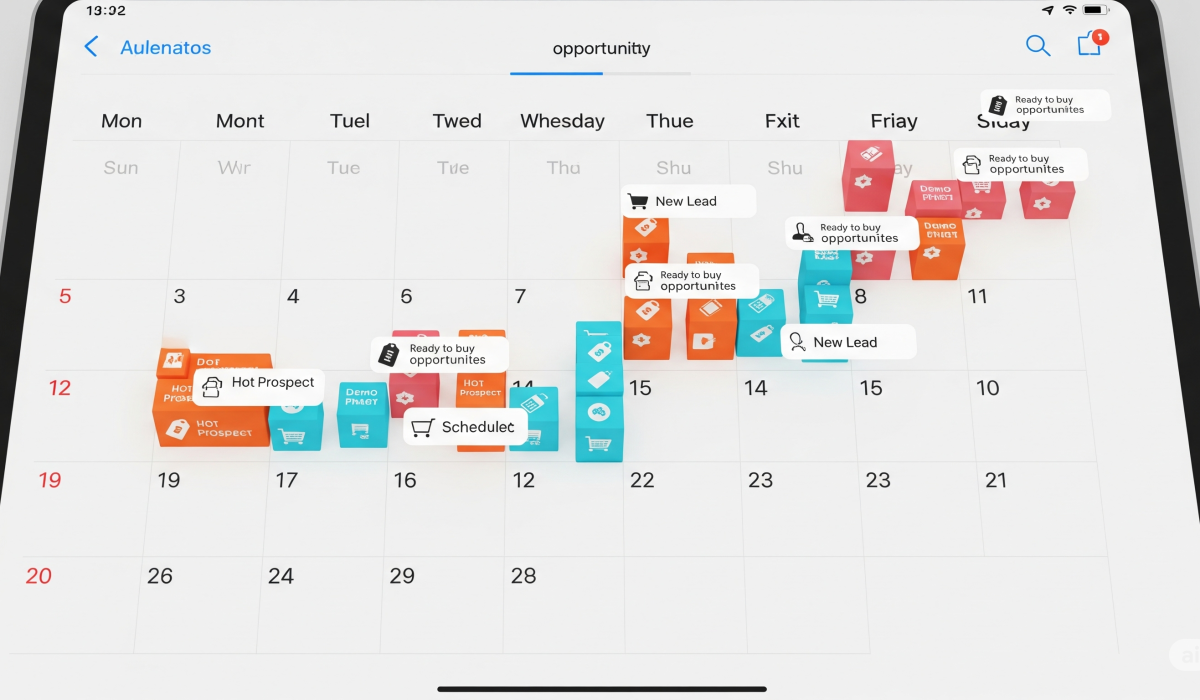
For many businesses, the sales calendar is a constant roller coaster—some weeks packed with calls and meetings, while others leave your team scrambling to find prospects. This feast-or-famine cycle is not only stressful but also dangerous for long-term revenue growth. What if you could flip that script and keep your sales calendar consistently full with prospects who are already ready to buy? The truth is, it’s entirely possible, and it starts with changing how you think about lead generation.
The Difference Between Busy and Productive
It’s important to recognize that a full calendar doesn’t automatically mean success. Many sales teams fill their schedules with cold calls, networking events, and follow-ups that lead nowhere. This kind of “busy work” drains energy and resources without generating revenue. On the other hand, a productive sales calendar focuses on conversations with prospects who have already shown intent to buy. These prospects don’t need convincing that they have a problem—they’re actively looking for a solution and want to move forward quickly.
When your team spends most of their time talking to these ready-to-buy opportunities, everything changes. Close rates increase, sales cycles shorten, and team morale improves. Instead of burning out from constant rejection, your reps are motivated by consistent wins.
Why Weekly Consistency Matters
Sales success is about momentum. When your calendar is consistently booked each week with warm leads, you create a steady rhythm for your team. There’s no downtime between conversations, no desperate last-minute prospecting, and no unpredictable dips in revenue. This consistency also makes forecasting more accurate, allowing you to plan growth strategies with confidence.
Weekly consistency also impacts your brand reputation. When you respond quickly to an active buyer and guide them through a seamless sales process, they’re more likely to trust your business, buy from you again, and refer you to others. Over time, this creates a compounding effect—more sales, more referrals, and less effort needed to maintain momentum.
How to Fill Your Calendar With Ready-To-Buy Opportunities
Filling your calendar every week with high-quality prospects isn’t about working harder—it’s about working smarter. Here are the key strategies to make it happen:
1. Identify Your Ideal Buyer Profile
You can’t consistently find ready-to-buy opportunities if you don’t know exactly who you’re looking for. Define the industries, company sizes, job titles, and pain points that describe your ideal customer. The more specific you get, the easier it becomes to spot buyers who are already in the market for what you offer.
2. Use Intent Data to Spot Active Buyers
Intent data reveals when a potential buyer is actively researching products or services like yours. By leveraging this information, you can focus on prospects who are already considering a purchase instead of wasting time on those who aren’t ready.
3. Automate Lead Delivery
Manual prospecting takes time and energy away from selling. By automating your lead generation and qualification process, you can ensure your sales calendar fills up without constant effort. Leads arrive ready for your team to contact, saving hours of research and outreach.
4. Pre-Qualify Before Scheduling
Not every interested lead is truly ready to buy. Implement a qualification process—through a quick call, a form, or a set of key questions—that ensures only the best opportunities make it onto your calendar. This keeps your team focused on closing rather than disqualifying.
5. Maintain a Follow-Up System
Some prospects may be ready within days, others in weeks. A consistent follow-up system ensures you don’t lose warm opportunities to competitors simply because you didn’t stay in touch.
The Benefits of a Ready-To-Buy Calendar
When your sales calendar is full of prospects who are ready to buy, your entire sales operation becomes more efficient. Here’s what you can expect:
- Higher Close Rates – Fewer cold conversations means more deals in less time.
- Shorter Sales Cycles – Ready-to-buy prospects move quickly from first call to close.
- Improved Team Morale – Reps are more confident and motivated when they’re closing regularly.
- Better Revenue Forecasting – Predictable appointments lead to predictable results.
- Stronger Client Relationships – Focused, personalized sales conversations build trust from the start.
Avoiding Common Mistakes
Many businesses fail to keep their sales calendar full because they rely too heavily on outdated prospecting methods. Cold calling random lists, sending generic mass emails, and attending unfocused networking events often yield poor results. The other common mistake is chasing quantity over quality—packing the calendar with unqualified leads that waste everyone’s time.
The key is to prioritize quality over quantity and consistency over bursts of activity. A steady flow of the right prospects beats an unpredictable flood of the wrong ones every time.
Creating a Long-Term System
Filling your sales calendar weekly isn’t just about short-term tactics—it’s about building a long-term system that works even when your team is busy. This means investing in the right tools, data sources, and automation processes to keep leads flowing without constant manual effort. It also means training your sales team to handle these opportunities efficiently so no lead slips through the cracks.
A sustainable system also includes feedback loops. Review your results regularly to see which sources produce the best leads, which qualification steps are most effective, and where in the process you can improve. Over time, this fine-tuning turns your sales calendar into a powerful, predictable growth engine.
Final Thoughts
Imagine starting every week knowing your sales team has a full schedule of conversations with prospects who already want what you’re offering. No cold calls, no wasted hours chasing the wrong people—just focused, productive sales work that drives results. That’s the power of filling your sales calendar with ready-to-buy opportunities every week.
When you prioritize quality leads, automate the delivery process, and keep a consistent rhythm, you transform your sales approach from reactive to proactive. Instead of hoping for sales, you plan for them—and that’s how real business growth happens. WebsiteSeoLeads