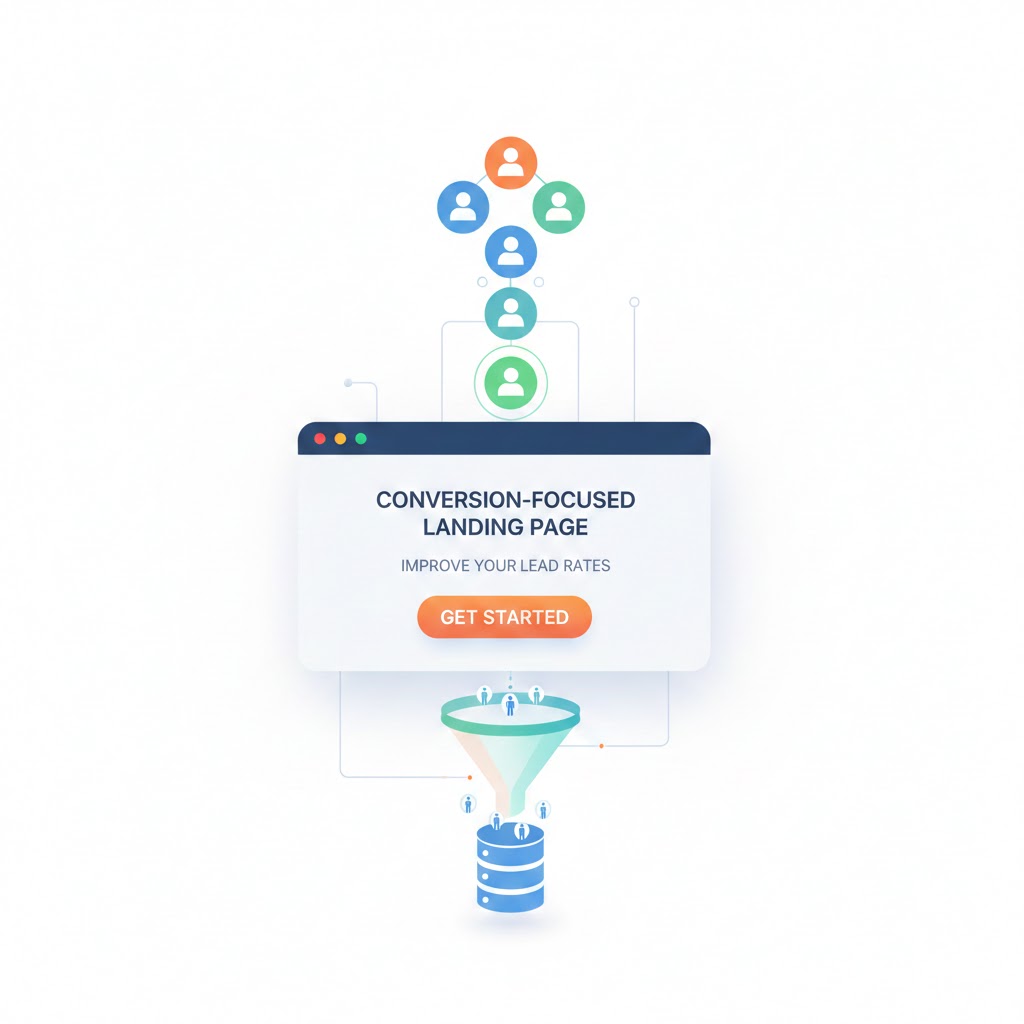
In today’s competitive digital world, landing pages play a major role in capturing attention, driving engagement, and converting visitors into high-intent leads. A conversion-focused landing page is designed with one goal in mind—turning clicks into actual business opportunities. Whether you’re running SEO campaigns, paid ads, or email funnels, optimizing your landing page can significantly improve your lead quality and conversion rates. With strategic design, persuasive messaging, and streamlined user flow, any business can transform its traffic into predictable growth. Platforms like WebsiteSeoLeads help agencies generate better SEO and marketing leads, but pairing those leads with strong landing pages is what closes the deal.
Why Conversion-Focused Landing Pages Matter
A landing page isn’t just a digital brochure. It’s a powerful tool built to guide visitors toward taking action—filling out a form, booking a call, or requesting a quote. When designed with a conversion-first mindset, landing pages can help businesses reduce bounce rate, improve user trust, and increase the chances of capturing high-intent leads. Because every visitor comes with a different level of awareness, clear messaging and simple navigation create a frictionless experience. And when combined with traffic from reliable platforms such as WebsiteSeoLeads, businesses can scale their lead generation much faster.
Clear Messaging That Builds Trust
Successful landing pages start with clarity. Your headline should immediately explain the value of your offer, while supporting text reinforces why the visitor should trust your business. Avoid technical jargon and stay focused on benefits. Trust badges, client logos, star ratings, and testimonials are extremely effective because they show proof instead of promises. When visitors feel secure, they engage confidently and are more likely to convert.
Design That Drives User Action
Visual structure matters. A conversion-optimized layout uses spacing, colors, and hierarchy to guide the eye toward key elements. Strong call-to-action (CTA) buttons should stand out and be placed strategically across the page. Avoid clutter—too much information can overwhelm users, causing them to leave without taking action. By keeping the design clean and focused, you ensure every section supports your main goal: turning visitors into leads.
Fast Loading Speeds and Mobile Optimization
A slow landing page kills conversions. Most users leave if a page takes more than a few seconds to load. Fast performance not only improves user experience but also boosts your SEO. Additionally, mobile optimization is essential, as over 60% of internet traffic comes from smartphones. Responsive design, thumb-friendly buttons, and simplified forms make it easy for mobile users to convert.
Persuasive Copy That Inspires Action
Great landing pages use copywriting that connects emotionally with the reader. Highlight the problem, present your solution, and explain how your service improves their situation. Use short paragraphs, bullet points, and strong CTAs. Reassure users by addressing pain points and offering reasons to choose your service over competitors. Remember: clear, relatable, and confident messaging always outperforms lengthy explanations.
A Strong Offer Makes All the Difference
Your landing page offer determines how many visitors convert. Whether it’s a free audit, consultation, ebook, or discount, the offer must feel valuable and relevant. When your offer aligns with the user’s needs, conversion rates rise naturally. Combine this with a simple form that asks for minimal information, and you’ll see more leads entering your pipeline.
Conclusion
Conversion-focused landing pages are one of the most powerful assets for modern businesses. With strong messaging, clean design, mobile optimization, and compelling CTAs, companies can significantly boost their lead conversion rates. And when these optimized landing pages are paired with high-quality prospect sources like WebsiteSeoLeads, the growth potential becomes even greater. A well-designed landing page not only improves conversions but also builds trust, sets clear expectations, and guides visitors toward becoming long-term customers.