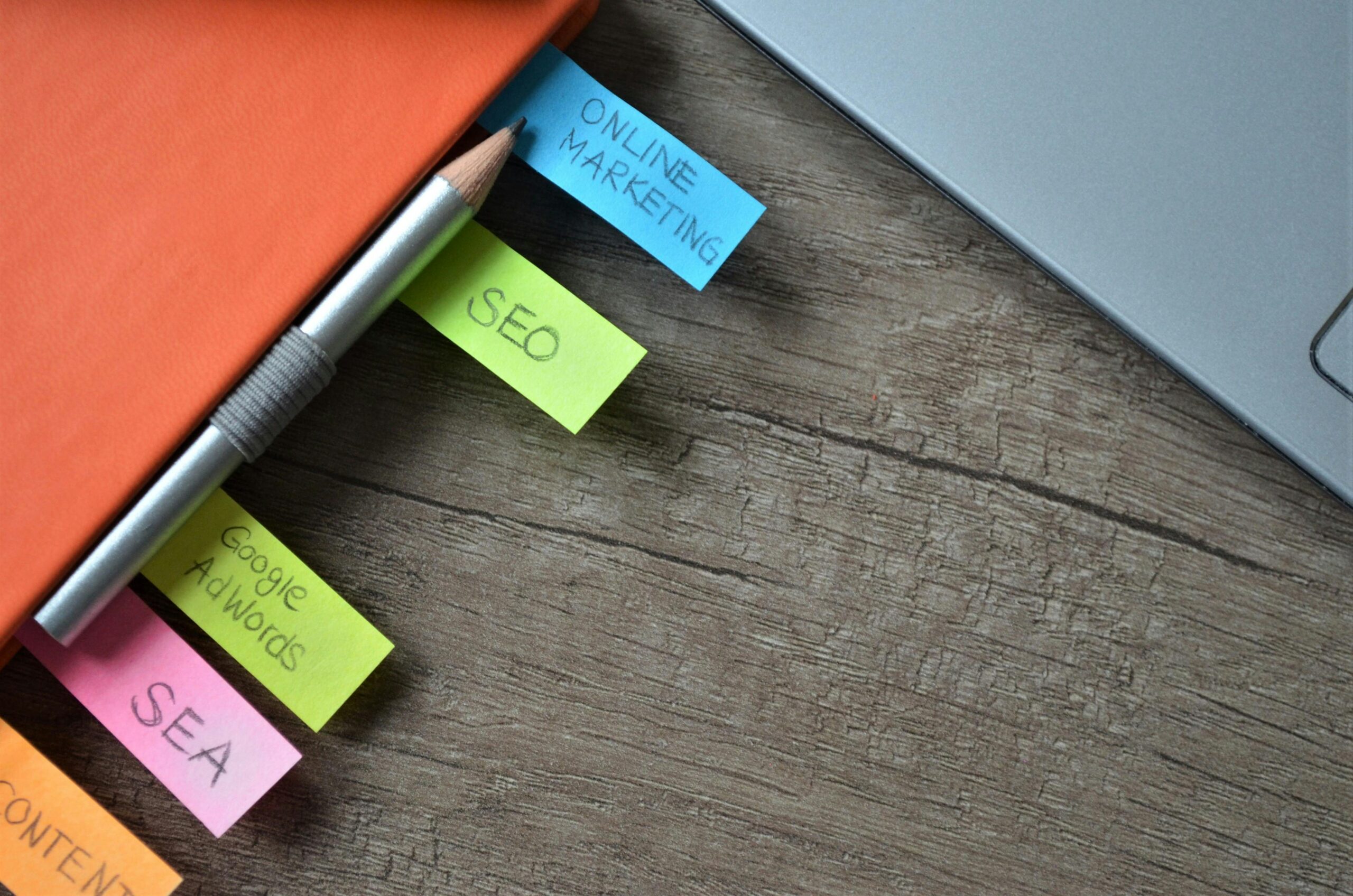
In today’s digital world, if your business isn’t showing up on Google, you’re missing out on a huge opportunity. That’s where SEO comes in. But many people still ask: What is SEO and how does it work? If you’re new to the term or want to understand how it can grow your business, you’re in the right place. Let’s break it down in a simple and easy way. 🚀 What is SEO? 🤔 SEO stands for Search Engine Optimization. It’s the process of improving your website so that it ranks higher in search engine results like Google, Bing, or Yahoo. When people search for keywords related to your business, SEO helps your site appear on the first page. For example, if someone searches “best coffee shop in Dallas,” and you own a coffee shop in Dallas, SEO can help your site show up at the top of the results. More visibility = more visitors = more potential customers. ☕👀 Why Is SEO Important? 📊 The majority of people never scroll past the first page of Google. So, if your website isn’t there, you’re missing out on valuable traffic. SEO brings organic (non-paid) traffic to your website, which is not only cost-effective but also highly targeted. People who find your site through search are actively looking for what you offer—they’re not random social media scrollers. That’s why SEO traffic converts better and drives long-term growth. 💼 How Does SEO Work? ⚙️ When someone asks what is SEO and how does it work, the “how” part can feel complicated, but we’ll keep it simple. Here are the main components of SEO: 1. Keyword Research 🔑 This is about finding the exact words people use when they search for services like yours. Tools like Google Keyword Planner or Ubersuggest can help you discover keywords like: Once you know what people are searching, you can target those keywords in your content. 2. On-Page SEO 📝 This refers to everything on your website. It includes: A clean, keyword-optimized page tells Google: “This is what my content is about.” 3. Technical SEO 💻 This makes sure your site is easy for search engines to crawl and index. Key factors include: If your site is slow or hard to navigate, Google won’t rank it high—even if your content is great. 4. Off-Page SEO 🌐 This is what happens outside your website. The biggest factor here is backlinks—when other trusted websites link to yours. It’s like getting a vote of confidence from the internet. You can earn backlinks by: The more high-quality links you get, the more authority your site builds. 5. Content Creation 🖊️ Content is the heart of SEO. The more useful and relevant content you create, the better your chances of ranking. Think blog posts, guides, FAQs, videos, and more. When you consistently publish helpful content that answers your audience’s questions, Google notices—and rewards you. How Long Does SEO Take to Work? ⏳ SEO is a long-term game, not a quick fix. You might start seeing small improvements in 3 months, but real results often take 6–12 months. But the good news is, once your content ranks, it can keep bringing in traffic for months or even years—with no extra cost. That’s the magic of SEO. 🪄 Common SEO Mistakes to Avoid ❌ Stick to best practices and focus on creating value. SEO rewards consistency. Tools That Help With SEO 🧰 Here are some popular tools to help manage and improve your SEO: Most tools offer free versions to get started. Final Thoughts 💬 Still wondering what is SEO and how does it work? It’s simple: SEO is your ticket to free, targeted website traffic. With the right strategy, it can help you grow your online presence, attract customers, and stand out in a competitive market. Whether you’re a small business owner, a startup founder, or a digital marketer, understanding and investing in SEO can make all the difference in 2025 and beyond. Need help optimizing your website or generating SEO leads? Contact us today—we’re here to guide you every step of the way. 📩✨ WebsiteSeoLeads

How to Attract High-Ticket Clients for Your Marketing Agency in 2025 💼🚀📈
If you’re looking to grow your digital marketing agency in 2025, the key isn’t chasing dozens of small clients—it’s learning how to attract high-ticket clients for your marketing agency in 2025. These premium clients bring in larger budgets, longer-term contracts, and real growth opportunities. But getting their attention—and keeping it—takes a smart, intentional strategy. Let’s dive into what works in today’s digital-first world to secure high-paying clients who value what you do and are willing to invest. 💡 👑 Understand What High-Ticket Clients Really Want High-ticket clients don’t just want more clicks or followers. They’re focused on ROI, scalability, and strategic alignment. They’re decision-makers—CEOs, CMOs, and founders—who need marketing partners, not just service providers. Before anything else, take time to: By aligning your services with their goals, you become a trusted advisor, not just another vendor. 🧱 Position Your Agency as a Premium Brand If you want to attract premium clients, you need to look like a premium agency. Your branding, messaging, and online presence should reflect the quality and results you deliver. Here’s how to stand out: Remember, high-ticket clients judge you before ever talking to you. Make sure your first impression earns their confidence. 🔎 Leverage Targeted Outreach, Not Cold Pitching One of the best insights in how to attract high-ticket clients for your marketing agency in 2025 is understanding that mass cold pitching no longer works. Instead, implement a targeted, relationship-driven outreach strategy. Here’s a smarter way to do it: High-ticket clients don’t make decisions overnight—but thoughtful outreach puts you on their radar. 📣 Create Content That Speaks to Leaders CEOs and founders don’t spend hours on TikTok or browsing generic marketing tips. They’re looking for strategic insights and proven frameworks. Create content that speaks directly to them: Publishing this type of authority content—on your blog, LinkedIn, or via email—shows that you understand their world. 🎯 🤖 Use Marketing Automation to Stay Top of Mind High-ticket leads often require longer nurturing cycles. That’s where email marketing, retargeting ads, and CRM tools come into play. Use automation to keep the conversation going—even when they’re not ready to buy. Tools like: These systems ensure no lead goes cold and help build trust over time. 💬 Build Partnerships and Referrals One overlooked strategy in how to attract high-ticket clients for your marketing agency in 2025 is leveraging existing networks. Partner with consultants, agencies, or vendors who serve similar clients but offer different services. Think: Offer to collaborate, co-market, or refer clients—and you’ll often find warm, high-value leads that convert faster. 🤝 📈 Offer High-Value Packages with Clear Outcomes You can’t attract premium clients with vague offers. They don’t want to “boost engagement”—they want results like “generate 50 SQLs in 90 days” or “lower CAC by 30%.” Your service packages should reflect: Don’t sell services—sell solutions. High-ticket clients are investing in results, not hours. 🗣️ Build a Reputation Through Social Proof Social proof is everything. Testimonials, video reviews, logos of past clients, and case studies are powerful trust signals. In 2025, transparency and credibility are non-negotiable. Here’s how to showcase proof: Let your past work do the talking—it builds confidence and reduces friction for new leads. Final Thoughts 🚀 Mastering how to attract high-ticket clients for your marketing agency in 2025 comes down to positioning, value, and trust. These clients want more than just services—they want strategic partners who understand their goals and can deliver real business results. With the right positioning, smart outreach, compelling content, and automated nurturing, you’ll be ready to scale your agency the smart way. Want help finding qualified leads or refining your agency’s message? Contact our team—we’ll help you get in front of clients who are ready to invest big. 💼✨ Websiteseoleads

What Metrics Really Matter in Digital Marketing? A 2025 Guide for Agencies 📊📈🚀
If you’ve ever been overwhelmed by dashboards filled with numbers, charts, and KPIs, you’re not alone. In 2025, digital marketers have access to more data than ever — but knowing what metrics really matter in digital marketing is what separates thriving agencies from those just spinning their wheels. Whether you’re an SEO expert, paid ads manager, social media strategist, or full-service marketing agency, focusing on the right metrics is essential. The truth is, not every stat on your report is worth obsessing over. Let’s break down the most important metrics you should be tracking in 2025 to deliver real results and make smarter decisions. 📉💡 🧲 1. Customer Acquisition Cost (CAC) Let’s start with the money. CAC is the total cost of acquiring a new customer, including ad spend, software tools, salaries, and other related costs. This metric is crucial for understanding how efficiently your marketing campaigns convert prospects into paying clients. Why it matters: If your CAC is too high, you may be spending more than you’re earning. Agencies must ensure campaigns are profitable, especially in a competitive digital economy. 📬 2. Conversion Rate (Across All Channels) Conversion rate remains one of the key answers to what metrics really matter in digital marketing. Whether it’s from a landing page, email, ad, or social campaign, this metric tells you how effectively your audience is taking action. Pro tip: Track not just final sales but micro-conversions too — such as email sign-ups, downloads, and inquiries. These small actions often lead to big wins later on. 📈 3. Return on Ad Spend (ROAS) Paid advertising is getting more expensive in 2025. ROAS helps you measure the efficiency of your paid campaigns by comparing how much revenue you generate per dollar spent. Example: If you spend $1,000 on Facebook ads and generate $4,000 in revenue, your ROAS is 4:1. If that ratio drops, it’s a red flag. Why it matters: It helps you allocate your budget wisely and cut waste. 🕒 4. Time on Site & Bounce Rate These website behavior metrics tell you how engaging your content is. If users bounce quickly, your landing page or website may not be meeting expectations. Key in 2025: Pair these with scroll depth and click heatmaps for a fuller understanding of engagement. The longer someone stays, the more likely they are to convert. 📩 5. Email Engagement (Open & Click-Through Rates) Email marketing is far from dead — in fact, it’s thriving in 2025 with automation and personalization. The best email campaigns aren’t just sent; they’re opened and acted upon. Metrics to track: Why it matters: High-performing email campaigns drive ROI and build long-term relationships. 📱 6. Social Media Engagement vs. Vanity Metrics Follower count is a vanity metric. In 2025, it’s not about how many people follow your page — it’s about how many actually engage. Important metrics to track: Why it matters: Social media algorithms reward authentic engagement, not inflated numbers. Plus, real engagement signals interest and intent. 🔍 7. Organic Traffic & Keyword Rankings If you’re running SEO campaigns, organic traffic and keyword performance are still major indicators of success. Tools like Google Search Console and Semrush give deep insight into how your SEO strategies are performing. Track these: Why it matters: Organic traffic is cost-effective and sustainable — and ranking higher still translates into trust and conversions. 🔄 8. Lead Quality (Not Just Quantity) It’s tempting to chase lead volume, but in 2025, it’s the quality that counts. A thousand leads mean nothing if none are ready to buy. Smart agencies track: Why it matters: High-quality leads reduce sales cycle time and improve ROI. 📊 9. Customer Lifetime Value (CLV) This metric tells you how much a customer is worth to your business over the entire relationship. It helps determine how much you should spend to acquire similar customers. Why it matters: CLV allows you to shift from short-term wins to long-term growth strategies. 🧠 10. Attribution Models With multi-channel marketing, it’s vital to know what’s working. Attribution models help you identify which touchpoints influenced a sale. In 2025, marketers use: Why it matters: Attribution helps allocate budgets based on actual performance, not assumptions. Final Thoughts 💬📊 In the vast world of digital data, knowing what metrics really matter in digital marketing helps agencies move from guessing to growing. The right KPIs empower teams to optimize campaigns, justify budgets, and deliver real results to clients. Don’t get distracted by every shiny new metric. Focus on the ones that align with your goals, reveal true performance, and help you scale smarter in 2025. Need help tracking and optimizing your metrics? Reach out to our team — we specialize in performance-driven marketing that turns data into growth! 📞📈✨ Websiteseoleads
AI in Digital Marketing: Tools Every Small Agency Should Be Using in 2025 🤖📈💼
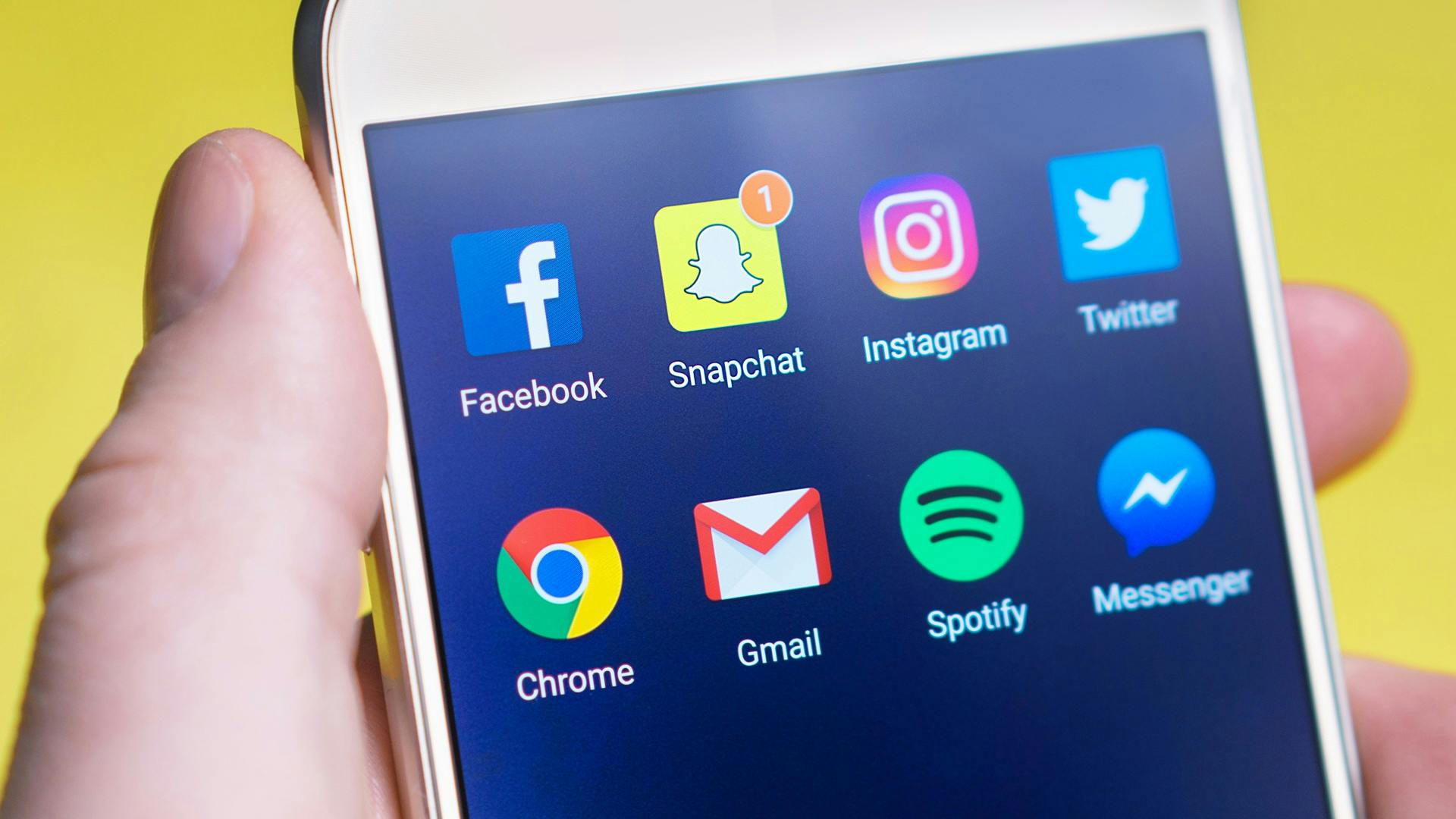
The rise of AI in digital marketing has revolutionized how businesses attract, convert, and retain customers — especially for small agencies working with limited resources. In 2025, artificial intelligence isn’t just a trend; it’s a necessity. From content creation to analytics, AI tools are helping agencies compete with bigger players by automating tasks, improving targeting, and enhancing the overall customer experience. 🚀 If you run a digital marketing agency or freelance operation, staying ahead of the game means embracing the right AI tools. Let’s explore how AI in digital marketing is transforming workflows and highlight the must-have tools that every small agency should be using this year. 🔧📊 Why AI in Digital Marketing Matters in 2025 🧠 Digital marketing today requires precision, speed, and personalization — all of which AI excels at. Unlike traditional methods, AI can process massive amounts of data, detect patterns, and make real-time decisions that drive results. It empowers small agencies to: With AI, small teams can get more done in less time, offer better results to clients, and scale their services without scaling their overhead. Top AI Tools Every Small Agency Should Use 🔥 Here are some of the most powerful and accessible tools harnessing AI in digital marketing for 2025: 1. ChatGPT & AI Copywriting Tools ✍️ AI writing assistants like ChatGPT, Jasper, and Copy.ai help marketers create content quickly and consistently. From blog posts and social media captions to ad copy and email sequences, these tools are great for brainstorming, editing, and scaling content production without sacrificing quality. ✅ Benefits: 2. Surfer SEO & Clearscope 📈 When it comes to SEO, content quality and keyword optimization are key. Tools like Surfer SEO and Clearscope use AI to analyze top-ranking pages and suggest how to optimize your content for better rankings. ✅ Benefits: 3. HubSpot & ActiveCampaign (AI-Powered CRM and Email Marketing) 💌 Customer relationship management (CRM) and email automation platforms now come with AI-driven features that score leads, suggest best send times, and recommend personalized content based on user behavior. ✅ Benefits: 4. Adzooma & WordStream for AI-Powered PPC 💸 Managing ad campaigns across Google, Facebook, and other platforms can be time-consuming. AI-driven tools like Adzooma and WordStream analyze ad performance and make suggestions for improvements, saving time and increasing ROI. ✅ Benefits: 5. Canva with AI Design Assistant 🎨 Canva’s AI design tools allow even non-designers to create stunning graphics, presentations, and videos. Their Magic Design and AI-powered resizing tools help agencies deliver faster visuals for clients. ✅ Benefits: 6. Phrasee & Smartwriter.ai for Email & Outreach 📬 If cold emails or sales outreach are part of your strategy, AI tools like Phrasee and Smartwriter can help personalize subject lines, predict click-through rates, and create emails that convert. ✅ Benefits: How to Start Using AI in Your Agency 💼✨ Getting started with AI in digital marketing doesn’t require a full team of data scientists. Most tools offer free trials or affordable plans that are ideal for small agencies. Here’s how to integrate AI step-by-step: Future-Proofing Your Agency with AI 🚀🔮 Adopting AI in digital marketing isn’t about replacing human creativity — it’s about enhancing it. The most successful agencies in 2025 will be those that use AI to support their team, delight clients, and adapt to trends quickly. As the digital space becomes more crowded, clients will expect faster results, higher ROI, and deeper insights. AI gives you the tools to meet — and exceed — those expectations. Whether you’re running a solo operation or managing a lean team, integrating AI into your marketing stack is the smartest way to stay competitive. Final Thoughts 🤔💡 The role of AI in digital marketing is only growing stronger. From copywriting and SEO to ads and automation, AI tools allow small agencies to deliver big results. The sooner you start experimenting, the more agile and profitable your agency can become in 2025 and beyond. Looking to implement AI in your digital marketing strategy but not sure where to start? Let’s talk — our team is happy to guide you through the best tools and techniques for your unique agency goals! 📞📧 Websiteseoleads
Why Email Marketing Still Outperforms Social Media in 2025 📧📱🚀
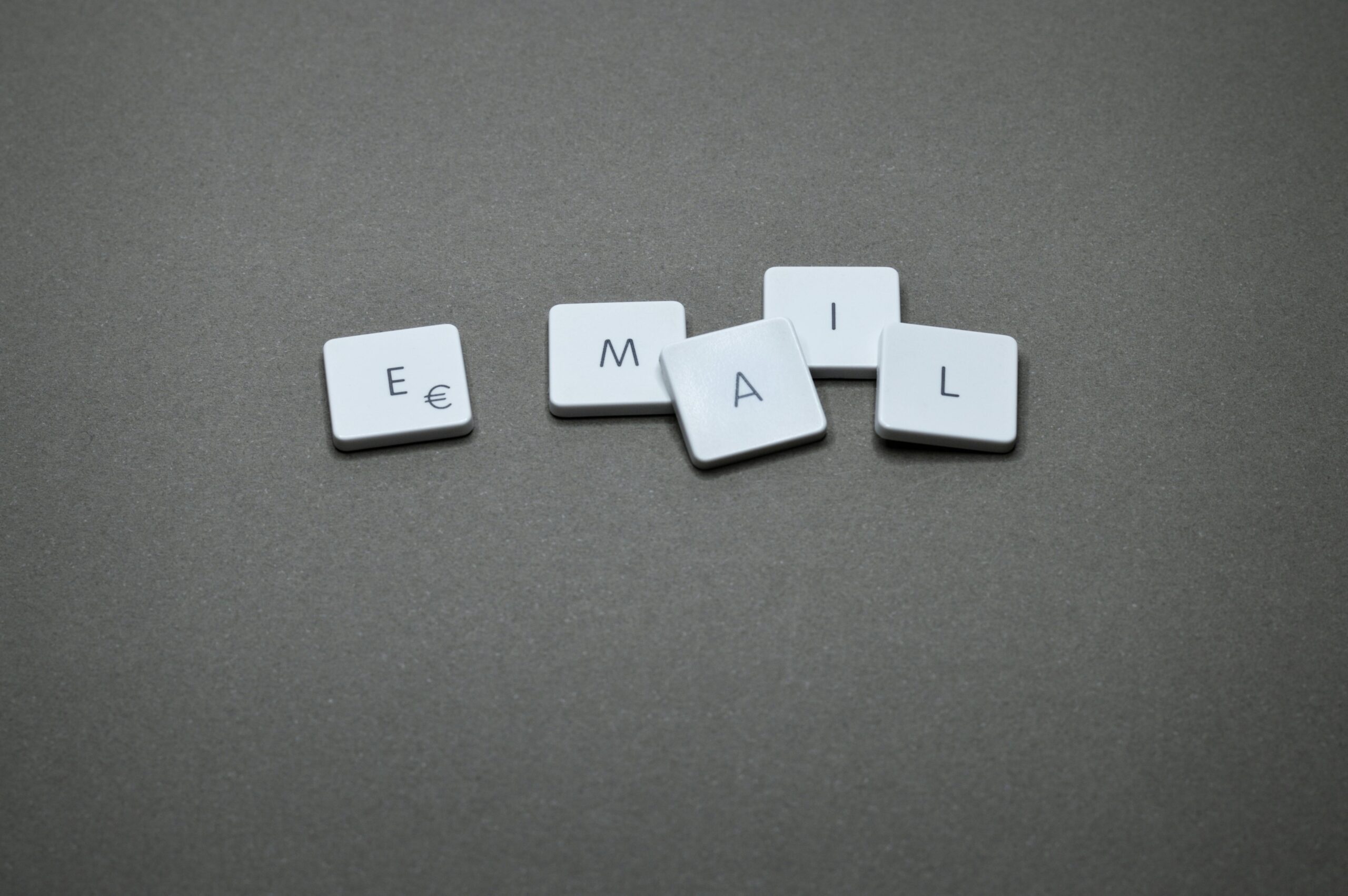
In a world where social media platforms dominate attention and trends shift faster than ever, it’s easy to assume that email marketing has become outdated. But if you’re a business owner, marketer, or entrepreneur in 2025, it’s time to take a step back and ask: why email marketing still outperforms social media in 2025? The answer lies in the numbers, the control you have over your audience, and the lasting power of personalized communication. While social platforms are excellent for brand visibility and engagement, email continues to lead in conversions, ROI, and customer retention. Let’s explore why this tried-and-true channel remains essential in today’s digital strategy. 📊💡 📬 Direct Access vs. Algorithm Dependency One of the main reasons why email marketing still outperforms social media in 2025 is control. When you post on social media, your content is at the mercy of ever-changing algorithms. Organic reach is declining across platforms, and even paid ads are becoming more competitive and expensive. Email, on the other hand, lands directly in your subscriber’s inbox. You’re not competing with dozens of other brands in a feed — you have a private space to deliver your message. You own your email list, while social platforms own your followers. 💸 ROI That Speaks Volumes Studies continue to show that email marketing offers one of the highest returns on investment. In 2025, the average ROI from email marketing is estimated at $36 to $42 for every $1 spent. Compare that to the volatile costs of paid ads on social media, and it’s clear why email is a smart long-term strategy. Whether you’re running a small local business or a large e-commerce brand, emails are a cost-effective way to communicate promotions, nurture leads, and convert prospects into paying customers. 🛠️ Advanced Personalization = Higher Conversions In 2025, personalization is more than just including a subscriber’s name in the subject line. Email marketing platforms now use AI and behavioral data to send highly personalized messages based on: This level of customization leads to higher open rates, click-through rates, and ultimately, conversions. Social media, while personalized in feeds, lacks the direct one-on-one customization that email provides. 📈 Email Builds Long-Term Relationships Another reason why email marketing still outperforms social media in 2025 is its ability to build and maintain long-term customer relationships. Emails can guide a user through every stage of the customer journey: While social media tends to focus on quick interactions and viral moments, email nurtures your audience over time — building trust and brand loyalty. 📱 Mobile Optimization Keeps Email Strong With more people checking their emails on smartphones, modern email campaigns are optimized for mobile. In fact, over 70% of emails are opened on mobile devices in 2025. Responsive designs, interactive content, and clickable CTAs make emails engaging even on small screens. Social media is mobile too, of course — but again, you’re competing for attention in a fast-paced, noisy environment. An email feels more intentional and focused. 🔐 Privacy, Trust, and Compliance Consumers today care more about data privacy. They are becoming cautious about what brands they follow and where their information is stored. Emails give users more control — they can unsubscribe anytime, and reputable marketers are transparent about how they use data. Social media platforms, on the other hand, face constant scrutiny over data misuse and algorithm manipulation. Email marketing is seen as a more trustworthy channel, especially when brands are upfront and ethical in their communication. 📢 Combine Email and Social for Best Results It’s not about choosing only email or only social media — the best digital marketing strategies in 2025 use both. However, email should be your foundation. Use social media to grow your audience and drive them to your email list. Once they subscribe, you can connect with them on a deeper level and increase your chances of conversion. For example: This approach allows you to leverage the reach of social while benefiting from the conversion power of email. Final Thoughts 🧠📩 So, why email marketing still outperforms social media in 2025? The answer is simple: direct communication, unbeatable ROI, advanced personalization, and long-term relationship building. While social media continues to evolve and expand, email marketing remains a stable and high-performing channel that businesses can’t afford to ignore. If you’re serious about scaling your digital marketing efforts, it’s time to give your email strategy the attention it deserves. Need help building your email list or creating automated campaigns that convert? Our team is here to help — let’s connect and make your email marketing work smarter in 2025! 🚀🤝 Websiteseoleads
How to Turn Website Visitors into Paying SEO Clients in 2025 🌐💼🚀
If you’re running an SEO agency or freelance business, you’ve likely asked yourself this critical question: “How do I turn traffic into actual revenue?” Getting website visitors is great — but the real win is converting them into paying clients. That’s why understanding how to turn website visitors into paying SEO clients in 2025 is more important than ever. 📈💸 With increasing competition and smarter consumers, converting traffic requires more than just a flashy website. You need a strategy that builds trust, shows value, and drives action. In this blog, we’ll explore proven ways to convert clicks into contracts, all tailored for today’s digital landscape. 🔍 1. Start with a Conversion-Focused Website 🖥️ Your website is your digital storefront. In 2025, it must be more than just good-looking — it should guide visitors toward taking action. Ensure your site loads fast, is mobile-optimized 📱, and includes a live chat option to capture interest in real time. 2. Offer Something Valuable for Free 🎁 One of the smartest ways to build trust is by offering something useful without asking for money upfront. This helps you demonstrate value while capturing leads. Consider offering: Use a form to collect name, email, and business details. Once they opt in, follow up with a helpful email sequence. This is one of the most effective ways to turn curious visitors into serious prospects. 📬 3. Build Authority with Case Studies & Proof 📊 In 2025, clients are more skeptical and research-driven than ever. They want proof that your SEO services actually work. Publish case studies showing: Add screenshots, testimonials, and data to make it real. When visitors see your past successes, it boosts confidence and lowers resistance to hiring you. 4. Use Retargeting Ads to Stay Top-of-Mind 🧠 Most people won’t become clients on their first visit — and that’s okay. Retargeting ads can help bring them back. Use Facebook, Instagram, or Google Display ads to re-engage visitors with: This strategy keeps your brand visible while nurturing cold traffic into warm leads. 🔁 5. Create Helpful, SEO-Optimized Content 📚 Blog posts, guides, and videos are powerful tools for turning traffic into trust. If someone finds your content helpful, they’re more likely to see you as an expert worth hiring. Examples of useful content: End each post with a gentle CTA like “Want us to review your SEO for free? Contact us today!” This creates a clear next step. 📝 6. Use Email Marketing to Nurture Leads 💌 Once a visitor opts into your email list, don’t let them go cold. Use a sequence to deliver value, build trust, and introduce your services over time. A simple 5-email sequence could look like this: Keep the tone helpful, not salesy. Let your expertise speak for itself. 7. Add Personalization Where Possible 🎯 People don’t want to feel like a number. Use personalization to show visitors you understand their specific needs. In 2025, personalized marketing is the norm — and it’s a key factor in increasing conversion rates. 8. Make It Easy to Contact You 📞 Don’t bury your contact form or make people jump through hoops to reach you. Every page should have an obvious next step. Include: The easier you make it to reach you, the more likely someone will take action. Final Thoughts Learning how to turn website visitors into paying SEO clients in 2025 is about building trust, offering value, and removing friction. Most visitors won’t convert immediately — but with the right mix of content, design, email, and retargeting, you can guide them toward becoming loyal, paying clients. 💼🔥 If you’re looking to boost your client acquisition this year, now’s the time to upgrade your approach. And if you need expert help implementing any of these strategies, don’t hesitate to reach out — we’re here to help you grow. 📥🚀 Websiteseoleads

Which Marketing Service Drives the Most Leads? We Break It Down 🔍📈📣
If you’re a business owner or marketing manager wondering which marketing service drives the most leads, you’re not alone. In the ever-evolving world of digital marketing, choosing the right channel can feel like navigating a maze. With options like SEO, PPC, social media marketing, email campaigns, and content marketing, it’s important to understand which strategies offer the best return on investment when it comes to lead generation. Let’s break down the top contenders and help you figure out the best path forward for your business 🚀 Search Engine Optimization (SEO) – The Long-Term Powerhouse 🌐 SEO remains one of the most effective ways to generate consistent, high-quality leads over time. By optimizing your website and content to rank higher on Google and other search engines, you attract people who are actively searching for solutions you offer. When users type in keywords like “best digital marketing agency near me” or “affordable web design,” your SEO strategy determines whether your site shows up. These leads tend to be high-intent and more likely to convert because they’re looking for help at that very moment. Pros:✅ Long-term traffic with compounding returns✅ Builds trust and authority✅ Cost-effective over time Cons:⏳ Results take time⚙️ Requires ongoing content and technical updates SEO is ideal if you’re focused on long-term growth and want a steady pipeline of organic leads without paying for each click. Pay-Per-Click (PPC) Advertising – Fast and Targeted 🎯 PPC platforms like Google Ads and Bing Ads can bring leads in almost immediately. You bid on keywords, and your ads appear when users search for those terms. The biggest benefit of PPC is speed — you can launch a campaign today and start seeing traffic the same day. So, which marketing service drives the most leads if you’re in a hurry? PPC might be your best friend. It also allows detailed targeting based on location, time, device, and even demographics. Pros:✅ Instant visibility and traffic✅ Highly targeted audience reach✅ Great for promotions or new product launches Cons:💸 Can be expensive, especially in competitive industries⚠️ Requires constant monitoring and optimization PPC is a smart choice when you want fast results or when launching time-sensitive offers. However, the cost-per-lead can add up quickly without proper management. Social Media Marketing (SMM) – Build Engagement and Loyalty 📱💬 Social Media Marketing involves promoting your business on platforms like Facebook, Instagram, LinkedIn, and TikTok. It’s not just about brand awareness — with the right strategy, it can also be a great lead generation tool. Through paid ads, influencer partnerships, and engaging content, you can drive traffic to your website or landing pages. Facebook and Instagram ads, for example, allow you to target very specific interests and behaviors, helping you reach audiences who are more likely to convert. Pros:✅ Excellent for brand building and awareness✅ Allows creative storytelling and engagement✅ Paid social ads offer precise targeting Cons:⏳ Organic reach is limited without paid ads📉 ROI can vary depending on content quality SMM is great for businesses that want to stay top of mind and engage audiences more personally. While not always the highest lead generator, it supports other channels by boosting visibility and trust. Email Marketing – Nurturing Leads the Smart Way 📧🤝 Email marketing may seem old-fashioned, but it’s still one of the most effective ways to nurture and convert leads. If you already have a list of subscribers, you can use email to send updates, promotions, or personalized messages that guide users down the sales funnel. It’s less about initial lead generation and more about lead nurturing — but don’t underestimate its power. Well-segmented email campaigns can yield high open and conversion rates, especially when combined with SEO or PPC strategies that bring new contacts into your list. Pros:✅ High ROI when done correctly✅ Direct communication with your audience✅ Easy to automate and personalize Cons:📬 Requires a subscriber base📤 Overuse can lead to unsubscribes Email marketing shines when you’re looking to build relationships with your leads and convert them over time. So, Which Marketing Service Drives the Most Leads? 🏆 The answer isn’t one-size-fits-all. It depends on your business goals, budget, timeline, and target audience. Here’s a quick summary to guide your decision: The real secret? Combining these services for a well-rounded digital marketing strategy. Many successful businesses use SEO to attract traffic, PPC for instant results, SMM for engagement, and email marketing to close the deal. Together, they form a lead generation engine that works around the clock 💡 Want Help Building Your Strategy? Let’s Talk 🤝 If you’re still wondering which marketing service drives the most leads for your business, we’re here to help! Our team specializes in tailored digital marketing plans that combine SEO, PPC, SMM, and email marketing to deliver real results. Contact us today to discuss your goals — and let’s build a strategy that drives the right leads, right now 🚀 Websiteseoleads

What You Need to Know Before Hiring a Digital Marketing Agency 💼📈🤔
Hiring a digital marketing agency can be a game-changer for your business—but only if you know what to look for. In today’s digital-first world, a well-chosen agency can help you grow your online presence, attract new customers, and boost your revenue. However, with so many agencies promising big results, it’s easy to feel overwhelmed. That’s why it’s important to understand what you need to know before hiring a digital marketing agency. This blog breaks down the key factors you should consider, common red flags to watch out for, and how to choose the right agency for your unique goals. Let’s dive in! 🚀 1. Understand Your Marketing Goals 🎯 Before reaching out to any agency, define your goals. Are you looking to increase website traffic? Generate more leads? Improve your SEO rankings? Grow your social media following? Each agency has its strengths, so knowing your objectives will help you find the best fit. Tip: Be specific. Instead of saying “I want more traffic,” say “I want to increase organic traffic by 30% over the next six months.” Clear goals lead to clearer strategies. 2. Know the Services You Need 📋 Digital marketing is a broad term that includes many services: Not all agencies offer every service. Some may specialize in SEO, while others focus on paid ads or email campaigns. Understanding what your business needs is key to making the right choice. 3. Check Their Track Record and Experience 🧠📊 When researching agencies, look for results. Ask for case studies, testimonials, and real examples of past work. A good agency should be able to show you how they’ve helped similar businesses succeed. Ask questions like: Proven experience speaks louder than promises. 4. Transparency and Communication Matter 📞🗣️ One of the biggest things you need to know before hiring a digital marketing agency is how they communicate. Will they send regular updates? Can you expect monthly reports? Are they easy to reach? You want a partner, not just a vendor. Agencies that value transparency will: If you feel like they’re hiding information or using too much jargon, it may be a red flag. 5. Ask About Tools and Technology ⚙️💡 Digital marketing involves various tools—analytics platforms, keyword trackers, ad managers, and automation software. Find out what tools the agency uses and how they measure performance. Good agencies use tools like: This shows they are serious about data and performance tracking. 6. Understand Pricing and Contracts 💸📝 Agencies offer different pricing models—monthly retainers, hourly rates, or project-based fees. Make sure you fully understand what’s included in the cost and if there are any hidden fees. Questions to ask: Also, be cautious with long-term contracts unless you’re confident in their performance. It’s better to start with a short-term trial before committing to a 12-month deal. 7. Look for a Customized Strategy 🧩📐 Be wary of agencies that offer one-size-fits-all packages. Every business is different, and your marketing plan should reflect that. The right agency will take time to understand your brand, audience, and industry before suggesting a strategy. They should ask questions like: A personalized approach leads to better results. 8. Red Flags to Watch Out For 🚩👀 Some warning signs that an agency might not be the right fit: Trust your instincts. If it feels off, it probably is. 9. Ask for a Proposal or Demo 📂📽️ Once you’ve narrowed down your options, ask for a proposal or demo of how they would approach your marketing goals. This gives you a clearer picture of what to expect and allows you to compare agencies side by side. 10. Choose an Agency That Feels Like a Partner 🤝💼 At the end of the day, you want an agency that feels like an extension of your team. One that understands your business, shares your values, and is committed to helping you succeed. Final Thoughts Knowing what you need to know before hiring a digital marketing agency helps you avoid costly mistakes and find a trusted partner who delivers results. Whether you’re looking to grow with SEO, expand your reach with PPC, or boost engagement with SMM and email, the right agency can help you achieve your business goals faster and smarter. Looking for expert guidance on your digital marketing journey? Our team is here to help! Feel free to contact us for a free consultation or to learn more about our tailored marketing services. 🌟📩 Websiteseoleads
Local SEO Strategies to Win Clients in Competitive Markets
When you’re operating in a crowded industry, standing out can feel like an uphill battle. Whether you’re a digital agency, a service-based business, or a local entrepreneur, getting found by potential clients online is key to growth. That’s where local SEO strategies to win clients in competitive markets come in! 🌟 In today’s digital landscape, local search is one of the most powerful tools available for attracting high-intent clients — people who are actively looking for what you offer. But the competition is fierce. So how do you rise above the noise and win those valuable clicks? Here’s a breakdown of practical, high-impact local SEO strategies that can help you dominate your market and attract clients ready to do business with you. 📈 1. Optimize Your Google Business Profile 📍 Your Google Business Profile (formerly Google My Business) is your #1 weapon in local SEO. It’s often the first thing people see when they search for services near them. ✔️ Make sure your business name, address, and phone number (NAP) are accurate✔️ Add high-quality photos of your work, team, or office✔️ Include a keyword-rich business description✔️ Choose the right business categories✔️ Regularly post updates, offers, or news Encourage happy clients to leave reviews — the more positive reviews you have, the better your chances of ranking in the local map pack. ⭐ 2. Target Long-Tail Local Keywords 🎯 Generic keywords like “SEO services” or “marketing agency” are too broad and competitive. Instead, go after long-tail keywords that show intent and local relevance. Examples: These types of keywords may have lower search volume, but they attract people who are more likely to convert. Use them on your website, in blog posts, and within meta descriptions. 3. Create Location-Specific Landing Pages 🗺️ If you offer services in multiple areas, create individual pages for each location you serve. For example, a digital agency serving Texas cities could build pages like: These pages should include localized content, testimonials from local clients, and relevant keywords. This increases your visibility in regional searches and shows you’re invested in that market. 4. Build Local Citations 🔗 Citations are online mentions of your business across directories, websites, and apps. They help search engines verify your business information and boost your local authority. Start with well-known directories like: Then move on to niche or regional sites relevant to your industry. Consistency is crucial — make sure your NAP is identical everywhere. 5. Create Local Content That Solves Problems ✍️ Content is still king — but local content is royalty in competitive markets. Instead of only writing generic tips, craft blog posts and guides that speak directly to your community. Ideas: You can also write about local events, business news, or collaborations. This not only boosts SEO but builds your reputation as a local expert. 6. Earn Backlinks from Local Sources 🔗 Backlinks signal to Google that your site is trustworthy and relevant. Try to get backlinks from: You can also offer to write guest posts for local websites or sponsor community events in exchange for a link. 7. Use Schema Markup to Boost Visibility 💻 Local business schema is a piece of code you add to your site to help search engines understand your content better. It can enhance your listing with rich snippets like: Using schema can give you a competitive edge by making your listing more attractive and informative in search results. 8. Monitor and Improve Local SEO Performance 📊 Track your results using tools like Google Search Console, Google Analytics, and tools like BrightLocal or Moz Local. Monitor: Regularly audit your efforts and adapt based on what’s working. SEO is not set-it-and-forget-it — it’s a process of ongoing optimization. 🔄 Final Thoughts: Win Locally, Grow Globally 🌍 If you’re serious about growing your business, local SEO strategies to win clients in competitive markets are essential. They not only improve your visibility but also position you as a trusted, local authority. And in markets where everyone’s fighting for attention, trust is everything. You don’t need to outrank every business in the country — just be the best and most visible option in your city or service area. 🏆 If you’re not sure where to start, or you’d like expert help implementing these strategies, our team is ready to support you. Reach out today and let’s help you grow your client base — locally and beyond! 📞💬📥 Websiteseoleads
Which Digital Marketing Services Bring the Highest ROI in 2025?
In today’s ever-evolving online landscape, marketers and business owners are constantly asking one important question — which digital marketing services bring the highest ROI in 2025? 🤔 With tighter budgets, more competition, and ever-changing algorithms, choosing the right digital strategy is crucial for success. The truth is, not all marketing efforts are created equal. Some services drive fast results, while others offer long-term growth. In this blog, we’ll break down which digital marketing services are delivering the best return on investment in 2025 and why they continue to outperform others. Let’s dive in! 🏊♂️ 1. Search Engine Optimization (SEO) 🔍💡 Why it works: SEO remains one of the most cost-effective marketing strategies because it attracts organic traffic from people actively searching for your services. Once your website ranks well on Google, you can enjoy a steady stream of leads without paying per click. ROI Potential: High — especially for long-term growth. 2025 Trend: AI-driven SEO tools and voice search optimization are helping brands target users more precisely than ever. The average business investing in SEO sees ROI over 500% when executed correctly. 2. Pay-Per-Click Advertising (PPC) 💳📊 Why it works: If you’re asking which digital marketing services bring the highest ROI in 2025, PPC definitely makes the list — especially for businesses looking for fast, trackable results. With PPC, you only pay when someone clicks on your ad, and you can measure conversions in real time. ROI Potential: Medium to high, depending on ad quality and targeting. 2025 Trend: Smart bidding, AI ad creatives, and hyper-local targeting have made PPC more efficient. Google Ads and Meta Ads still dominate, but newer platforms like TikTok Ads are catching up fast. 3. Email Marketing 📧🔥 Why it works: Email marketing is far from outdated. In fact, it’s thriving in 2025. When used strategically, email marketing builds strong relationships, nurtures leads, and boosts sales — all while maintaining a low cost. ROI Potential: Very high — often over 4000% ROI. 2025 Trend: Personalization, AI-driven automation, and mobile-friendly templates are standard. Businesses that focus on delivering value rather than just sales pitches are seeing incredible engagement. 4. Social Media Marketing (SMM) 📱📢 Why it works: Social media platforms like Instagram, Facebook, LinkedIn, and TikTok allow brands to connect directly with their audience. While organic reach has declined, combining paid and organic strategies helps businesses maintain visibility and brand loyalty. ROI Potential: Medium to high depending on niche and strategy. 2025 Trend: Short-form videos and influencer collaborations continue to drive high engagement. Brands are investing in social listening tools to better understand their audience and tailor content accordingly. 5. Content Marketing 📝🎯 Why it works: Content marketing involves creating valuable content — blogs, videos, eBooks, etc. — that educates and informs your audience. It builds trust, improves SEO, and supports all other digital marketing channels. ROI Potential: High in the long term. 2025 Trend: AI-generated content, human-led content strategy, and SEO-optimized articles are becoming the standard. Companies are also investing in video content for better engagement and retention. 6. Conversion Rate Optimization (CRO) 🧪💡 Why it works: Getting traffic is one thing, converting that traffic into paying customers is another. CRO involves testing and tweaking landing pages, call-to-actions, and user experiences to improve conversions. ROI Potential: High — because it maximizes the value of your existing traffic. 2025 Trend: Heatmaps, A/B testing, and AI tools are helping businesses uncover where users drop off and how to fix it. Even small improvements in conversion can significantly boost ROI. 7. Influencer Marketing 🤝✨ Why it works: People trust people. In 2025, influencer marketing continues to grow, especially with micro-influencers who have high engagement rates within niche communities. ROI Potential: Medium to high depending on influencer selection and campaign alignment. 2025 Trend: More transparency, better analytics, and partnerships based on real ROI rather than just follower count. Final Thoughts: Which Digital Marketing Services Bring the Highest ROI in 2025? 🧠💼 So, which digital marketing services bring the highest ROI in 2025? The answer depends on your goals, budget, and industry — but some services clearly stand out: The most successful companies in 2025 are using an integrated approach, combining these services to create a powerful digital marketing ecosystem. No single strategy works in isolation anymore. If you’re not sure where to start, or want help maximizing ROI from your marketing budget, feel free to reach out to our team. We’re here to help you choose the right mix of services that deliver results. 💬🚀 Websiteseoleads