
One of the biggest challenges in SEO and web design sales is figuring out why some leads convert while others go cold. If you’re only relying on instinct or past experiences, you might miss patterns that could help you close more deals. That’s where data comes in. When you track the right numbers, you start to see what actually moves leads forward. You learn which emails get responses, what landing pages bring better leads, and even what type of messaging works best. At WebsiteSeoLeads, we use this data-driven approach to help our clients make better decisions and close deals faster. Start by Tracking Your Lead Sources Not all leads are created equal. Some come from high-intent platforms, while others are just browsing. When you know where your best leads come from, you can focus your budget and efforts there. Look at: WebsiteSeoLeads already filters this for you. Our leads are pre-qualified and based on proven interest, which saves you the time of digging through cold prospects. Monitor Response Times and Follow-Ups Your lead close rate can often improve just by adjusting your timing. Track: Fast replies and consistent communication make a big difference. Leads who hear from you quickly are more likely to stay interested. WebsiteSeoLeads provides leads who are actively looking, so timing your response is even more important. Identify Common Objections and Drop-Off Points Use your sales data to identify when and why leads say no—or stop replying. Do they ghost after pricing? Do they lose interest when technical terms come up? Are they unsure about timing or budget? Once you have that insight, you can: Use Conversion Metrics to Shape Your Offers The close rate of a specific service or package tells you what your market really values. If your basic SEO setup closes more than your full package, it might mean you need to reposition the full offer or build a more attractive starter option. At WebsiteSeoLeads, our focus is on connecting you with leads that match your most successful offerings. That way, your closing data aligns with our delivery—giving you a smoother path to sales. Segment Your Leads for Smarter Follow-Up Over time, you’ll notice trends: Use that information to segment your follow-ups and refine your sales funnel. Create tailored messaging for different types of leads based on what your data tells you. Make Informed Improvements Over Time When you consistently review your numbers—like close rates, follow-up stats, and common objections—you can improve your SEO sales process without guessing. WebsiteSeoLeads provides the kind of high-intent data you need to make those improvements faster. Each lead we provide is more than a name and contact—it’s a warm opportunity backed by real demand. Conclusion Data helps you stop guessing and start closing. Whether you’re new to selling SEO or looking to scale up your digital services, tracking your metrics will give you the edge. Partnering with WebsiteSeoLeads means you’re not only getting leads—you’re getting clarity. And with that clarity, your close rate can only go up.

Signs That a Quiet Lead Still Wants to Work with You
When a lead goes silent, it’s easy to assume they’re no longer interested. But in reality, many quiet leads are still thinking, comparing, or just busy. Learning to spot the subtle signs of continued interest can help you close more deals — without being pushy or wasting time. At WebsiteSeoLeads, we help agencies connect with high-intent prospects. And part of that success comes from knowing which leads are worth your continued attention. Here’s how to recognize when silence doesn’t mean no. 🕵️♂️ They Still Open Your Emails or Messages You might not get a reply, but if your lead is opening your emails — especially multiple times — that’s a strong sign they’re still curious. Tools like email tracking can show if they’re paying attention, even if they haven’t responded yet. 📥 They Downloaded or Viewed Your Content Did they recently access your lead magnet, audit, or portfolio again? That behavior often means they’re revisiting your value and trying to decide. Quiet engagement is still engagement — and it means you’re on their radar. ⏳ They Ask for More Time Without Closing the Door Sometimes a lead might say, “We’re reviewing options” or “We’ll get back to you soon.” If they haven’t said no outright, there’s still potential. These leads just need the right follow-up at the right time. 📌 They Keep You in the Loop Passively Have they liked one of your posts, watched your story, or stayed connected on LinkedIn? These light touches may seem small, but they show they haven’t ruled you out. Stay warm, not cold. 💭 They Expressed Strong Interest Earlier If your lead previously shared specific goals, timelines, or budget — and you haven’t heard back — that could mean internal delays. When people are serious, they often stay quiet while trying to figure out next steps. What You Can Do Don’t give up on these leads. Instead: And most importantly — keep your pipeline full of fresh, motivated leads so you’re not overly reliant on silent ones. That’s where WebsiteSeoLeads can help. With WebsiteSeoLeads, you get access to high-quality prospects actively looking for SEO and web design help. That way, even if a few leads go quiet, you’ve got new ones ready to talk business. 🚀 Stay booked, stay busy — get started with WebsiteSeoLeads today! Want to receive 5 bonus leads with your first order? Just ask.

Why Slow Leads Can Still Turn into Great Clients
When a lead takes their time to make a decision, it’s easy to assume they’re not interested. But in reality, slow leads are often the most thoughtful ones — and when they do convert, they tend to stick around longer, invest more, and become loyal clients. At WebsiteSeoLeads, we understand that not all leads close overnight. That’s why our approach isn’t just about delivering high-volume contacts — we focus on connecting you with high-intent prospects who are genuinely exploring SEO and digital marketing solutions. Here’s why slow leads deserve your attention and patience: 🧠 They Do Their Homework Slow leads are usually doing research. They’re reading reviews, checking case studies, and comparing offers. This means: You want clients who care — not just those rushing to buy. 💬 They Appreciate Education Over Pressure These leads respond best to helpful guidance, not sales pressure.Try this: This builds trust and positions you as the expert they need. 🔁 They Often Have Bigger Budgets Quick decision-makers sometimes have tighter budgets. In contrast, leads who take their time are often working with leadership or multiple stakeholders. When they move forward, they usually invest more — in both time and money. 💼 They Become Long-Term Clients Leads who spend time deciding are more likely to: They see your service as a solution, not just a transaction. 🚀 Let WebsiteSeoLeads Fuel Your Growth We don’t just give you names. At WebsiteSeoLeads, we provide agencies with ready-to-convert leads who understand the value of SEO, web design, and digital growth — even if they move a little slower. That’s the kind of lead that builds real business stability. Need leads who are serious, informed, and ready to talk soon?Start with WebsiteSeoLeads today — and watch your slow leads become great clients. 👉 Get 5 bonus leads with your first package of 10 or more.
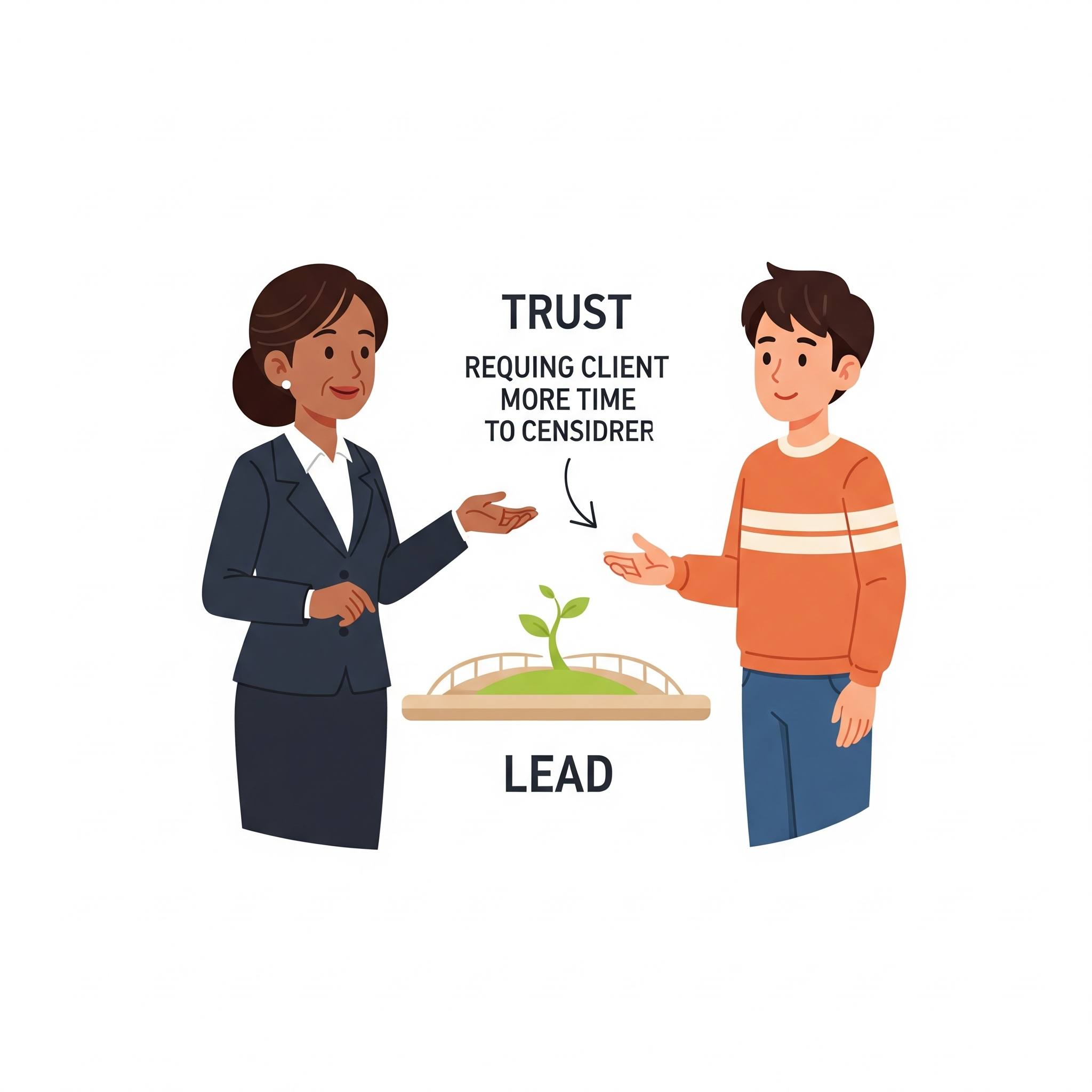
Building Trust with Leads Who Need More Time
Not every lead will be ready to jump into a contract after the first conversation — and that’s completely normal. In fact, many high-value clients need time to think, compare options, and align decisions with their goals. So instead of pushing for a quick sale, the smartest move is to build trust. That’s what turns hesitant leads into loyal clients. At WebsiteSeoLeads, we don’t just provide contact info. We help you connect with real business owners who are already interested in your SEO or web design services. But even warm leads can take time — and here’s how to guide them confidently without losing their interest. 🧠 Understand the Lead’s Mindset When a lead says they need more time, it’s often because: When you recognize this, you can shift your strategy from closing to caring. 💬 Keep the Conversation Going Silence doesn’t mean “no.” It just means “not yet.”Reach out periodically with helpful updates: These small touches show that you’re here to help, not just to sell. 🤝 Show Long-Term Value People trust businesses that play the long game.Don’t just talk about deliverables — talk about: When your service feels like support, trust follows naturally. 🔁 Keep Your Pipeline Fresh One of the best ways to stay patient with slow leads is to have a steady flow of new ones. At WebsiteSeoLeads, we connect you with businesses already searching for SEO, web design, and digital marketing help — giving you the confidence to build trust instead of rushing the close. Let your competitors chase quick wins. You build relationships.And let WebsiteSeoLeads keep your pipeline full while you do it. 👉 Get started now — and receive 5 bonus leads with your first order.
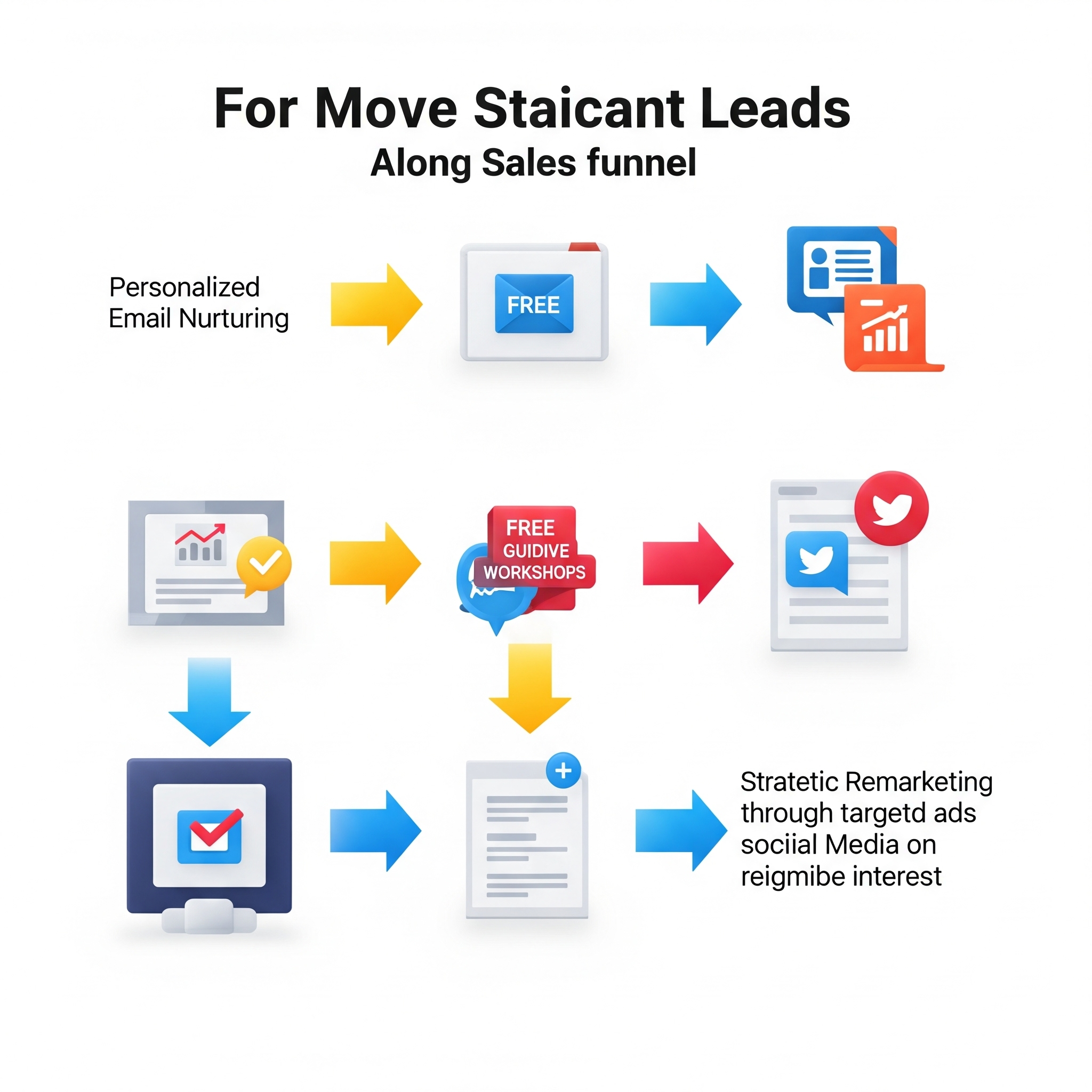
Ways to Move Stuck Leads Forward in Your Sales Funnel
Every agency or freelancer has faced it — a promising SEO or web design lead suddenly stalls in the middle of your funnel. They showed interest, asked questions, maybe even requested a proposal… then nothing. So how do you get them moving again without being overly aggressive? At WebsiteSeoLeads, we not only provide high-quality leads — we help you understand how to work with them. Here are some proven strategies to guide your stuck prospects toward action. 🎯 Revisit Their Initial Pain Points Go back to what made them interested in the first place: Bring the focus back to their original problem and show them how your solution still fits — maybe even better now. 💬 Ask the Right Questions Instead of pushing for a sale, start a conversation: These open-ended prompts invite honest responses without pressure. 📊 Offer Value That Builds Trust When a lead stalls, it may be because they’re unsure about the investment. Share something that reaffirms your expertise: This reminds them why you’re the right choice without needing to “sell.” ⏱ Create Gentle Urgency People delay action without a reason to act now. Try: This keeps things friendly while encouraging timely decisions. 🔁 Keep the Funnel Full with Fresh Leads Sometimes leads stall for reasons outside your control — timing, budget, or internal delays. That’s why consistent lead flow is key. At WebsiteSeoLeads, we help agencies keep a steady stream of high-intent SEO and web leads so you’re never dependent on just one or two deals. Whether you’re nurturing current prospects or ready to bring in new ones, we’re here to support your growth. Tired of waiting on stuck leads?Let WebsiteSeoLeads keep your pipeline active and your sales moving. 👉 Start today and receive bonus leads with your first purchase!
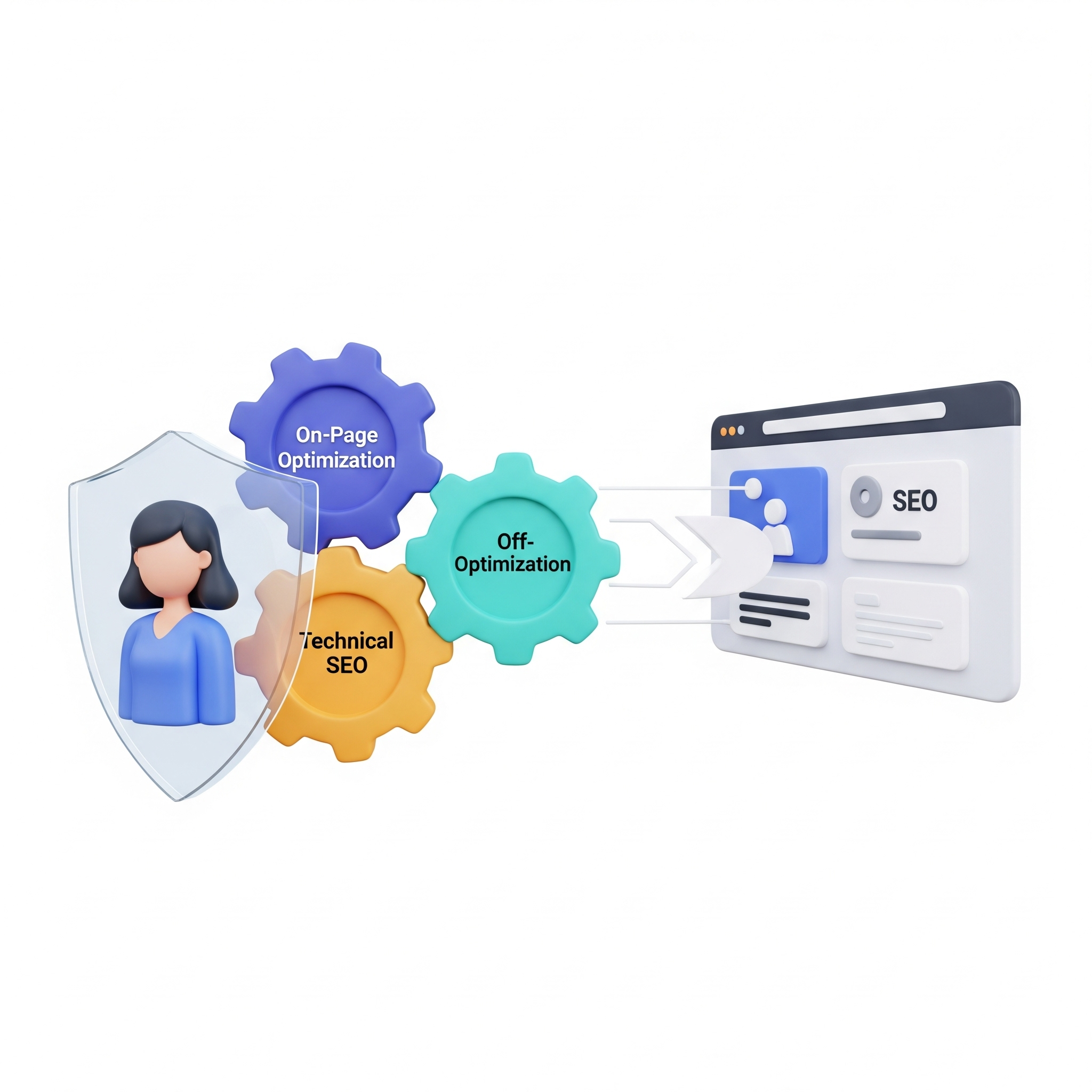
How to Position Your SEO Services for Maximum Client Trust
Trust is the foundation of every successful SEO partnership. No matter how strong your portfolio is or how many years of experience you have, if a potential client doesn’t trust you, they won’t move forward. The good news is, you can shape how you’re perceived from your very first conversation. At WebsiteSeoLeads, we connect you with warm, high-intent SEO leads. But even the best leads require a trustworthy presentation. Here’s how to position your services in a way that builds lasting trust and drives conversions. Clients respond to outcomes, not vague claims. Instead of telling them you get results, show them what you’ve achieved. Use specific numbers, timeframes, and before-and-after comparisons. For example, say “We helped a local gym increase organic traffic by 180% in just four months,” rather than “We improved SEO rankings.” Even if you’re newer in the field, share small wins, testimonials, or performance data from your own projects to build credibility. Avoid technical jargon and focus on outcomes that matter to the client. Speak in terms of visibility, leads, calls, and revenue instead of algorithms, schema markup, or technical audits. Clients want to know how your service improves their business, not how it works behind the scenes. One of the biggest concerns clients have with SEO is lack of clarity. To build trust, outline your process and timelines clearly. Let clients know what to expect in the first month, how reporting will work, and when they’ll begin to see results. This level of transparency helps clients feel informed and secure in their investment. Clients don’t just want a service provider. They want someone who understands their business goals and acts as a growth partner. Ask good questions, listen actively, and align your strategy with what matters to them. When you show that you’re thinking long-term, you establish yourself as a trusted advisor, not just a contractor. Even a perfect pitch won’t work on cold or uninterested prospects. That’s why WebsiteSeoLeads focuses on delivering high-quality, motivated leads who are actively searching for SEO and web solutions. When you begin with leads that are already warm and curious, trust builds much faster. Our clients consistently report better conversations, faster closes, and more satisfied clients because they’re starting with leads that already match their services and mindset. Make sure your website, social profiles, email communication, and proposals all reflect the same voice and professionalism. Inconsistent branding or unclear messaging can lead to doubt, even if your services are great. A clear, professional presence across every touchpoint reinforces your reliability. Conclusion Trust isn’t built in one pitch—it’s built across every interaction, every message, and every promise you keep. When you lead with honesty, communicate clearly, and support your message with data, you position yourself as the kind of SEO provider clients want to stick with. If you’re ready to meet high-intent SEO and web design leads who are already looking for experts like you, WebsiteSeoLeads is here to help. Our data-driven approach connects you with prospects who are easier to close and more likely to stay long term. Reach out today and ask about our first-time buyer bonus. Better leads mean better results. Let’s grow your business together.
How to Revive Interest from Quiet SEO and Web Leads
Not every lead is ready to buy right away — and that’s okay. In the world of SEO and web design services, silence doesn’t always mean rejection. Sometimes leads need more time, more clarity, or a little nudge in the right direction. But how do you re-engage a lead without seeming pushy? At WebsiteSeoLeads, we don’t just hand over contact details. We help you understand the mindset behind high-intent leads so you can convert more of them — even the quiet ones. Here’s how to rekindle their interest and move them toward action. 🧠 Understand Why They Went Quiet Leads often pause communication because: Knowing this helps you respond with empathy — not pressure. 💡 Reconnect with Value, Not Sales Pressure Avoid jumping back in with “Are you still interested?” Instead, offer something new: This shows you’re thinking about their goals, not just your sales. 📆 Use Time-Based Check-Ins Space your follow-ups thoughtfully: Gentle, consistent contact helps you stay top-of-mind. 🛠 Automate Smart Follow-Ups Using tools to automate sequences keeps leads warm without constant manual work. At WebsiteSeoLeads, we help agencies pair qualified leads with optimized outreach, making it easier to maintain interest until the lead is ready to act. 🔁 Keep Your Pipeline Full Don’t wait around for silent leads. Instead, fuel your pipeline with fresh, high-quality SEO and web design leads. That’s what we do at WebsiteSeoLeads — so you’re never stuck wondering where your next client will come from. Ready to revive your cold leads and bring in new ones every week?Let WebsiteSeoLeads power your agency with clients who are actively seeking help. 👉 Get started today and receive 5 bonus leads with your first order! WebsiteSeoLeads
How to Stay Confident When Your SEO Leads Need More Time
Every agency has been there — the lead was warm, the discovery call went great, but then… silence. Or maybe a polite “We need more time to think.” At WebsiteSeoLeads, we know that moment can shake even the most seasoned marketer. But here’s the truth: great leads often need time, and how you respond during the waiting phase can make all the difference. Why Good Leads Sometimes Pause ⏳ When a high-intent business owner says they need more time, it usually means: This doesn’t mean your offer is weak — it means you’re in a decision window, and how you handle it can define the outcome. What Not to Do ❌ Desperation repels trust. What builds trust is professionalism, patience, and clarity. How to Stay Confident and In Control 💪 1. Set Follow-Up Expectations Clearly At the end of your last call or email, let the lead know when you’ll check in — and stick to it. Example:“Totally understand you need time. I’ll follow up next Tuesday with a quick check-in.” 2. Educate While You Wait Instead of just checking in, share value: Let your brand presence educate and nurture them during the decision gap. 3. Stay Focused on Your Pipeline Confidence often fades when you obsess over one lead. At WebsiteSeoLeads, our clients keep their pipeline full with new, qualified SEO leads every week — so no single deal controls their energy or revenue. 4. Review the Interaction Objectively Was your offer clear? Did you connect their pain points with your solution? Use this time to improve your pitch and proposal for the next round — or the next lead. 5. Trust the Process Strong agencies don’t chase — they guide. Leads that need time are not a no, they’re a not yet. Stay visible, stay consistent, and let the systems do their job. Let WebsiteSeoLeads Keep the Confidence Coming 🔥 While you nurture those slow leads, we’ll keep the new ones flowing. Our targeted SEO lead generation service connects you with business owners actively searching for SEO and digital services — no more cold chasing, just warm opportunities. ✅ High-intent leads✅ Qualified interest✅ Full support and strategy guidance Whether you’re waiting on a big client or scaling your agency, WebsiteSeoLeads ensures you always have someone new to talk to. Ready to never rely on just one maybe?Let’s get you steady, high-quality SEO leads — Contact us today at WebsiteSeoLeads.com

Staying Ahead When Clients Delay Their SEO Decisions
In the world of SEO services, it’s common to hear: “Let me think about it” or “We’ll get back to you next quarter.” When that happens, it’s easy to feel stuck — especially when your sales pipeline depends on consistent momentum. But here’s the truth: delayed decisions don’t have to delay your business growth. Let’s explore how to stay ahead even when clients hesitate, and how partnering with WebsiteSeoLeads can keep your pipeline flowing. Understand the Why Behind the Delay Clients delay decisions for many reasons — internal budget discussions, timing, team alignment, or simply uncertainty. The key is not to pressure them but to position yourself as a trusted guide who stays visible and ready. Keep Providing Value After the Pitch One powerful way to stay top-of-mind is by following up with helpful resources: This builds credibility and shows that you care about their success — not just the sale. Don’t Let Slow Leads Slow You Down While one lead delays, others are ready. That’s why high-performing agencies don’t rely on one or two “maybe” clients — they keep their lead flow strong and active. With WebsiteSeoLeads, you can:✅ Get a steady supply of warm SEO and web design leads✅ Focus only on serious prospects ready to talk✅ Avoid the stress of inconsistent outreach or cold pitching Build a Pipeline That Keeps Moving Waiting on a client’s yes should never stall your growth. Instead: When you’re backed by targeted, ready-to-buy prospects — like the ones provided by WebsiteSeoLeads — delays become less risky, and your business keeps moving forward. Ready to Stay Ahead? Instead of chasing hesitant clients, fill your funnel with SEO leads who are ready now. WebsiteSeoLeads gives you the edge with pre-qualified, high-intent contacts that convert. 👉 Let your competitors wait. You move ahead.

Methods to Maintain Momentum with Unsure Prospects
In digital marketing and SEO services, not every prospect is ready to say “yes” right away. Some need time, more information, or internal approval. But that doesn’t mean you should let the connection go cold. Staying present, helpful, and confident during this “unsure phase” can set the stage for a future win. Here are proven methods to maintain momentum and turn hesitation into conversion: 1. Create Value Between TouchpointsIf a lead says they need time, don’t just wait. Share value-added insights like SEO tips, case studies, or mini audits. Even a thoughtful article can keep you top of mind. At WebsiteSeoLeads, we help agencies create lead magnet follow-ups that feel helpful, not pushy. 2. Ask Clarifying QuestionsUnsure leads often stall because they don’t know how to evaluate your offer. Ask questions like “Is there a particular result you’re hoping to achieve in the next 60 days?” or “What would make you feel confident moving forward?” This opens the door to a deeper sales conversation. 3. Share Social ProofNothing builds trust faster than proof. Share short stories or testimonials of how your services helped similar clients. You don’t need long case studies—just a few lines that show transformation. The right social proof reassures prospects that you deliver real results. 4. Set a Clear, Friendly TimelineIf they say “Let me think about it,” you can respond with something like:“Of course! I’ll check in early next week unless you have questions sooner.”This respectful nudge keeps you in control without rushing them. 5. Use a Lead Management SystemWhether your agency handles five leads or fifty, tracking touchpoints is key. At WebsiteSeoLeads, we offer not only high-quality SEO and web leads, but guidance on how to manage them effectively. This ensures no lead slips through the cracks while you’re juggling clients. 6. Respect the Pause but Stay VisibleKeep posting valuable content on social media. If a lead is unsure, they’re likely still watching. Your consistent visibility reinforces expertise and makes it easier for them to come back when ready. 7. Offer Something NewA lead that paused three weeks ago might respond differently today. A revised offer, bonus service, or new testimonial might reignite interest. Don’t be afraid to reach out with a fresh angle—many clients need more than one reason to commit. 8. Partner with a Lead Source That Understands TimingAt WebsiteSeoLeads, we know that timing is everything. That’s why we help agencies get connected with high-intent leads—people who are already searching for help. Our system supports both quick closers and long-game conversions, giving you a balanced pipeline. Final Thoughts Staying connected with unsure prospects is a strategic advantage, not a waste of time. With patience, value, and smart systems, you can turn hesitation into action. Don’t rely on chance—stay proactive, and your conversion rate will thank you. ✅ Ready to fill your pipeline with qualified SEO and web leads who actually want to talk?Reach out to WebsiteSeoLeads today and get your first 5 bonus leads free on any qualifying package.