Web design agencies today face a highly competitive market where talent alone is not enough to ensure steady growth. While many agencies deliver excellent design work, they struggle to maintain a consistent flow of new clients. Referrals can be unpredictable, organic inquiries fluctuate, and cold outreach often delivers poor results. This is why more agencies are choosing to buy high-intent web design leads online. These leads connect agencies directly with businesses that are actively searching for web design services, allowing faster conversions, better sales efficiency, and predictable growth. What Are High-Intent Web Design LeadsHigh-intent web design leads are prospects who have already demonstrated a clear need for website design or redesign services. These businesses are not casually browsing; they are actively looking to hire a web designer. Their intent is shown through actions such as requesting quotes, searching for design agencies, submitting inquiry forms, or comparing service providers online. Unlike low-quality leads that require heavy convincing, high-intent leads are closer to making a buying decision. They often have a defined project scope, timeline, and budget, making them far more valuable for agencies that want faster results. Why Buying Web Design Leads Makes SenseGenerating web design leads organically takes time. SEO, content marketing, and paid ads require long-term investment and constant optimization. While these strategies are important, they don’t always deliver immediate results. Buying web design leads allows agencies to skip the waiting period and start conversations with ready-to-buy prospects right away. When agencies buy high-intent leads, they reduce time spent prospecting and increase time spent closing deals. This approach improves cash flow, stabilizes workloads, and supports scalable growth. High-Intent Leads vs Generic Lead ListsNot all lead sources deliver the same value. Generic lead lists often include outdated contacts, low-interest prospects, or businesses that are not actively searching for web design services. These leads result in low response rates and wasted effort. High-intent web design leads are different. They come from businesses that are currently looking for solutions. This intent dramatically improves response rates, shortens sales cycles, and increases close rates. Agencies experience more meaningful conversations and fewer objections because prospects already understand the value of professional web design. Types of Businesses Seeking Web Design ServicesWeb design leads come from a wide range of industries. Local service providers want modern websites to attract customers. E-commerce brands need conversion-focused design to increase sales. Startups require fast, professional websites to establish credibility. Established companies seek redesigns to improve user experience and performance. High-intent leads typically include businesses launching new ventures, rebranding, expanding services, or struggling with outdated websites. These scenarios create urgency, which is ideal for agencies looking to close deals efficiently. How Buying Web Design Leads Improves Agency EfficiencyBuying leads allows agencies to optimize internal resources. Instead of spending hours on outreach and follow-ups, sales teams engage directly with interested prospects. Designers and developers can focus on project delivery instead of lead generation. This efficiency helps agencies maintain consistent workloads and reduce downtime between projects. Predictable lead flow also makes it easier to plan hiring, pricing, and service expansion. The Role of Speed in Converting Web Design LeadsSpeed plays a critical role in converting web design leads. High-intent prospects often contact multiple agencies before making a decision. Agencies that respond quickly gain a major advantage. When buying web design leads, agencies should have systems in place to respond immediately. Fast replies demonstrate professionalism, build trust, and significantly increase the chances of winning the project. Using Automation and CRM SystemsTo maximize results from purchased leads, agencies should use automation and CRM tools. Automated responses, appointment scheduling, and follow-up reminders ensure no lead is missed. CRM systems help track conversations, proposals, and deal stages, keeping the sales pipeline organized. Automation improves response time and consistency, which are essential when handling high-intent leads. Agencies that combine purchased leads with efficient systems close deals faster and with less effort. Pricing and Budget AlignmentOne of the biggest benefits of high-intent web design leads is better budget alignment. These prospects are already considering an investment in web design, which reduces price resistance. Agencies can qualify leads early by discussing scope and expectations, avoiding wasted time on low-budget inquiries. Clear communication about pricing, timelines, and deliverables builds trust and filters out unqualified prospects quickly. Combining Purchased Leads With Long-Term MarketingBuying web design leads should not replace organic marketing efforts—it should complement them. Agencies that combine purchased leads with SEO, content marketing, and social media build stronger pipelines. While organic strategies support long-term brand growth, buying leads delivers immediate opportunities. This balanced approach reduces risk and creates consistent revenue streams. Many agencies strengthen this strategy by using platforms like WebsiteSeoLeads, which provide high-intent web design leads that integrate smoothly into existing sales workflows. Scaling Agency Growth With High-Intent LeadsConsistent access to high-intent leads allows agencies to scale confidently. With predictable deal flow, agencies can invest in better tools, hire skilled designers, and expand service offerings such as SEO, maintenance, or digital marketing. Scalability depends on reliability. When agencies know where their next clients are coming from, growth becomes structured rather than reactive. Best Practices for Closing Web Design LeadsTo close high-intent web design leads effectively, agencies should focus on clarity and professionalism. Understanding the client’s goals, offering tailored solutions, and presenting a clear proposal increases conversion rates. Sharing portfolios, case studies, and timelines builds confidence. Transparent communication and quick follow-ups show reliability, which is often the deciding factor for prospects choosing between agencies. Choosing the Right Lead SourceThe quality of leads depends heavily on the source. Agencies should look for providers that focus on intent, accuracy, and relevance. Reliable lead providers verify inquiries, filter out low-quality prospects, and deliver leads that match agency services. Platforms such as WebsiteSeoLeads help agencies connect with businesses actively searching for web design solutions, reducing guesswork and improving sales performance. ConclusionBuying high-intent web design leads online is one of the most effective ways for agencies to grow faster and more predictably. These leads connect agencies with businesses that are ready to invest, reducing sales
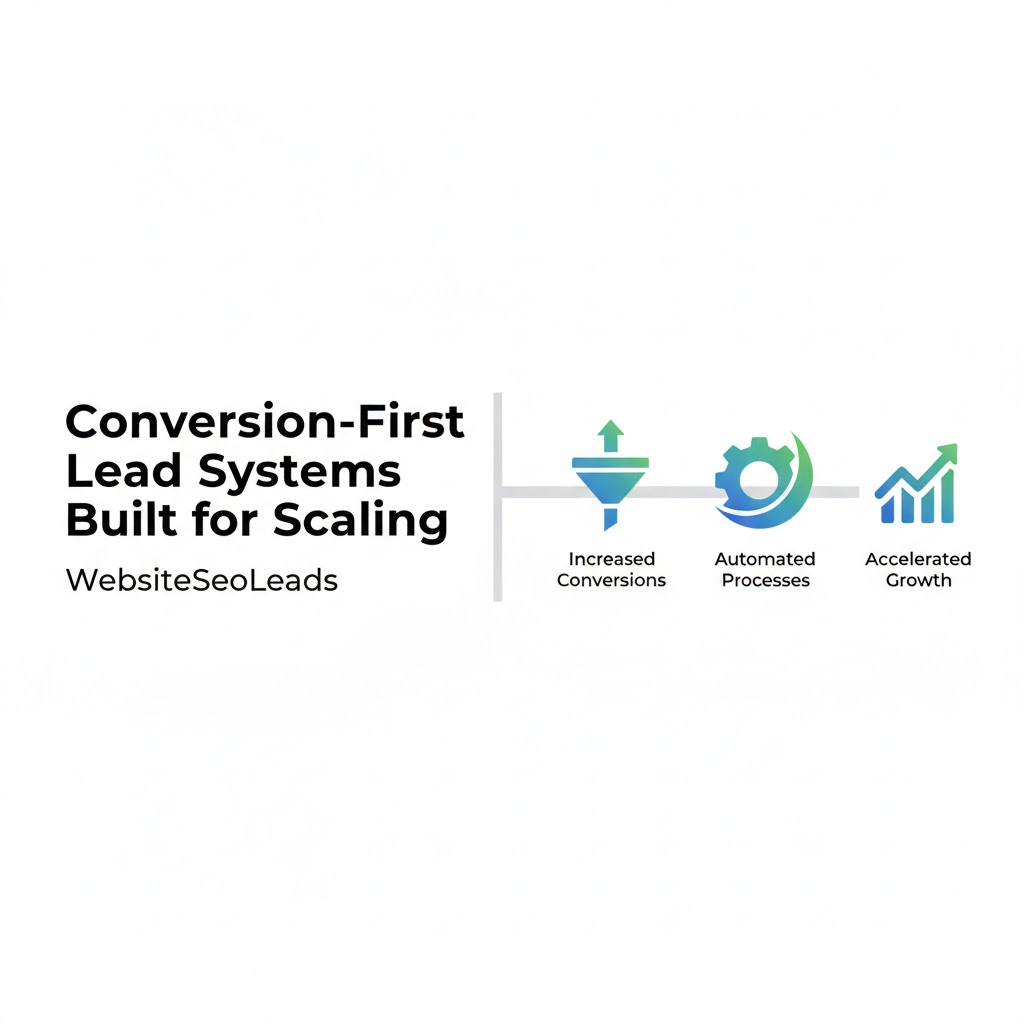
Conversion-First Lead Systems Built for Scaling
As businesses grow, the biggest challenge is no longer visibility—it is conversion. Many companies generate traffic, inquiries, and even leads, but struggle to turn those leads into paying customers. This is where conversion-first lead systems come into play. Unlike traditional lead generation methods that focus only on volume, conversion-first systems are designed to attract, qualify, and convert prospects efficiently. Businesses looking to scale sustainably are increasingly adopting these systems to ensure every lead has real revenue potential. Many also strengthen their approach by working with trusted lead platforms like WebsiteSeoLeads, which provide high-intent prospects ready to convert. What Is a Conversion-First Lead SystemA conversion-first lead system is a structured process built around buyer intent, fast response, and optimized follow-up. Instead of collecting random leads, the system prioritizes prospects who are closer to making a purchase decision. Every step—from traffic source to final follow-up—is designed to remove friction and move the prospect toward conversion. These systems combine targeted lead sources, clear messaging, automation, and performance tracking. The focus is not on how many leads come in, but on how many turn into customers. Why Conversion Matters More Than Lead VolumeMany businesses fall into the trap of chasing high lead numbers. While volume may look impressive, low-quality leads increase costs and overwhelm sales teams. Conversion-first systems solve this problem by filtering out low-intent prospects early. When leads are pre-qualified, sales conversations become more productive. Teams spend less time convincing and more time closing. This improves efficiency, lowers acquisition costs, and supports faster growth. Key Components of a Conversion-First Lead SystemA strong conversion-focused system starts with intent-driven traffic. This includes prospects actively searching for services, clicking action-based ads, or requesting information. Clear landing pages with focused offers guide visitors toward a single action, reducing confusion. Automation plays a critical role. Instant responses, follow-up sequences, and lead scoring ensure no opportunity is missed. CRM integration keeps the sales pipeline organized and transparent. Analytics help identify where leads convert and where improvements are needed. How Conversion-First Systems Support ScalingScaling a business requires predictability. Conversion-first lead systems provide consistent results because they are built on data and optimization rather than guesswork. When conversion rates are stable, businesses can confidently increase ad spend, expand services, or hire new team members. These systems also reduce dependency on manual effort. Automation handles repetitive tasks, allowing teams to manage higher lead volumes without sacrificing quality or response time. Reducing Sales Friction and Drop-OffsOne major advantage of conversion-first systems is reduced friction. Prospects are guided smoothly through the process with clear messaging, fast replies, and relevant follow-ups. Objections are addressed early through content, FAQs, and personalized communication. This approach builds trust and shortens the decision-making process. When prospects feel understood and supported, they are more likely to convert. Combining Systems With High-Intent Lead SourcesEven the best system needs quality input. Businesses often combine conversion-first frameworks with high-intent lead sources to maximize results. Platforms like WebsiteSeoLeads provide verified, intent-based leads that integrate seamlessly into conversion-focused workflows. This combination ensures businesses are not only generating leads but feeding their systems with prospects who are already interested and ready to engage. Optimizing and Improving Over TimeConversion-first lead systems are not static. Continuous testing and optimization are essential. Businesses should regularly review response times, conversion rates, and lead quality. Small improvements in messaging, timing, or targeting can lead to significant revenue gains. Data-driven decisions allow businesses to refine their systems as they scale, ensuring performance improves alongside growth. ConclusionConversion-first lead systems are essential for businesses that want to scale efficiently and profitably. By prioritizing intent, automation, and optimized follow-up, these systems turn leads into customers more consistently. When supported by reliable lead platforms like WebsiteSeoLeads, businesses gain access to prospects that fit perfectly into a conversion-focused strategy. For companies serious about growth, building a conversion-first lead system is not just a smart move—it’s a scalable foundation for long-term success.
Performance-Grade Social Leads for Business Growth
In today’s competitive digital landscape, businesses no longer succeed by generating random leads or chasing high volumes of low-quality inquiries. Growth now depends on performance-grade social leads—leads that are driven by intent, relevance, and readiness to convert. Social media platforms have become powerful revenue channels, but only when businesses focus on quality over quantity. Performance-grade social leads help businesses scale faster, close deals quicker, and achieve measurable results. Many growth-focused companies strengthen their social lead strategies by working with reliable providers like WebsiteSeoLeads, which deliver targeted, high-intent prospects aligned with real business goals. What Are Performance-Grade Social LeadsPerformance-grade social leads are prospects generated through social media who demonstrate strong buying intent and engagement. These leads go beyond likes, shares, or casual clicks. They take meaningful actions such as submitting lead forms, sending direct messages, requesting quotes, or booking calls. What makes these leads “performance-grade” is their ability to contribute directly to revenue. They are generated using precise targeting, data analysis, and conversion-focused messaging, ensuring that businesses interact with prospects who are ready to move forward. Why Traditional Social Leads Fail to Deliver GrowthMany businesses struggle with social media lead generation because they focus on reach instead of results. Broad targeting and generic messaging attract users who may be interested but not ready to buy. This leads to wasted ad spend, slow follow-ups, and low conversion rates. Performance-grade social leads solve this problem by filtering out low-intent users. Instead of chasing every inquiry, businesses focus on prospects who meet specific criteria such as location, behavior, service need, and urgency. This improves efficiency across sales and marketing teams. How Performance-Grade Social Leads Are GeneratedGenerating performance-grade leads starts with data-driven targeting. Social platforms allow businesses to target users based on demographics, interests, job roles, online behavior, and previous interactions. When combined with conversion-focused campaigns, this targeting attracts users who are already considering a purchase. Clear calls to action play a major role. Ads and posts designed for performance use language such as “Get a Quote,” “Book a Consultation,” or “Start Today.” These messages attract decision-ready prospects instead of casual browsers. The Role of Content and MessagingContent quality directly impacts lead performance. High-performing social campaigns focus on solving problems, highlighting benefits, and building trust. Testimonials, short videos, case studies, and clear service explanations help prospects feel confident about taking the next step. Messaging must be direct and relevant. Performance-grade leads respond best to clear value propositions and transparent offers. When users understand what they will get and why it matters, conversion rates increase significantly. Using Automation to Maximize Lead PerformanceSpeed and consistency are critical when handling performance-grade leads. Automation tools ensure instant responses, follow-ups, and lead assignment. Businesses that respond quickly often win deals before competitors even reply. CRM integration helps track lead behavior, conversation history, and conversion progress. This allows sales teams to prioritize the most valuable leads and tailor their approach based on real data. Combining Social Leads with Verified Lead SourcesWhile social media is a strong acquisition channel, many businesses enhance results by combining it with verified lead sources. Platforms like WebsiteSeoLeads provide performance-focused social and digital leads that complement paid and organic campaigns. This multi-source approach creates a more stable and scalable pipeline. By diversifying lead channels, businesses reduce dependency on a single platform and maintain consistent growth even when algorithms change. Turning Performance-Grade Leads into RevenueTo fully benefit from performance-grade social leads, businesses must maintain strong follow-up processes. Clear communication, quick consultations, transparent pricing, and professional onboarding all contribute to higher close rates. Sales teams should focus on understanding prospect needs rather than pushing hard sales. Performance-grade leads already show intent—businesses simply need to guide them to the right solution. ConclusionPerformance-grade social leads are a key driver of modern business growth. By focusing on intent, precision targeting, conversion-focused messaging, and fast follow-ups, businesses can turn social media into a predictable revenue engine. When supported by trusted platforms like WebsiteSeoLeads, companies gain access to high-quality prospects who are ready to buy, not just engage. For businesses serious about scaling efficiently, performance-grade social leads provide a clear path to sustainable and measurable growth.
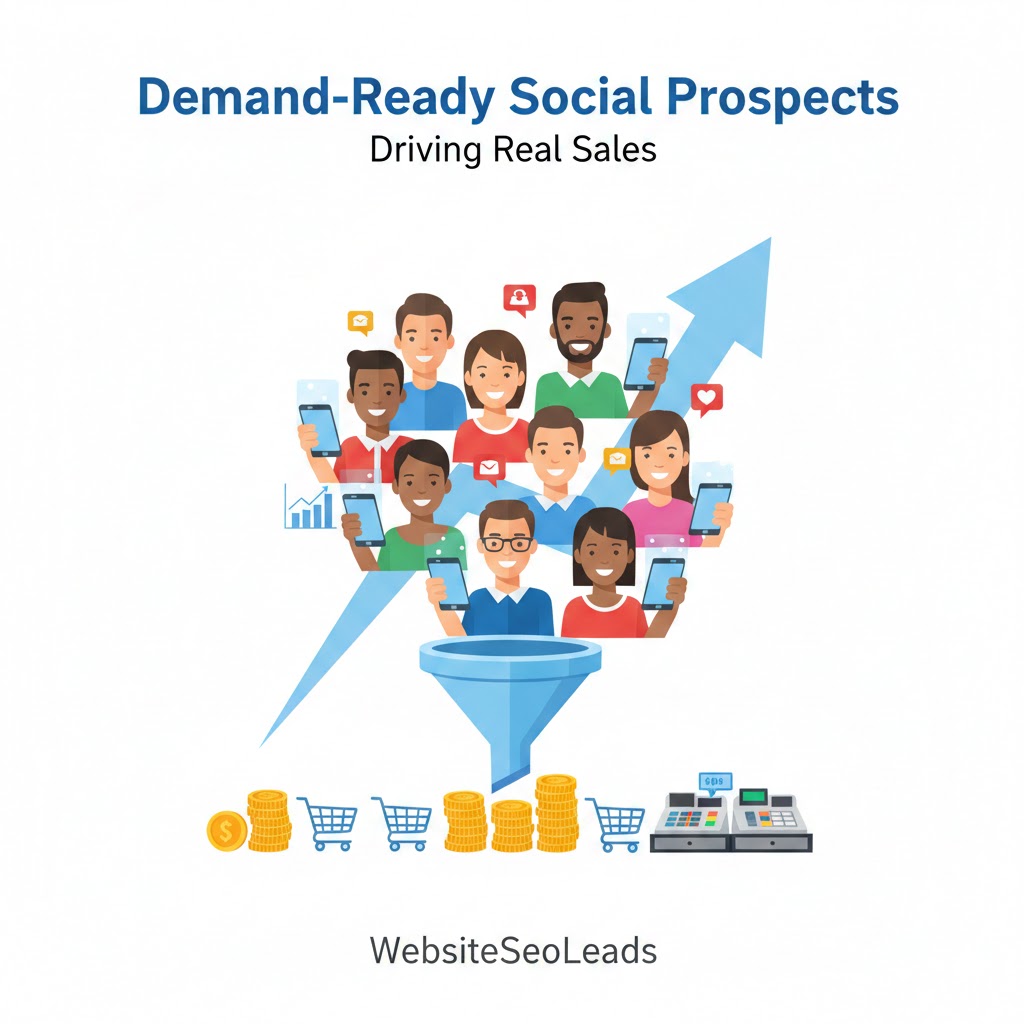
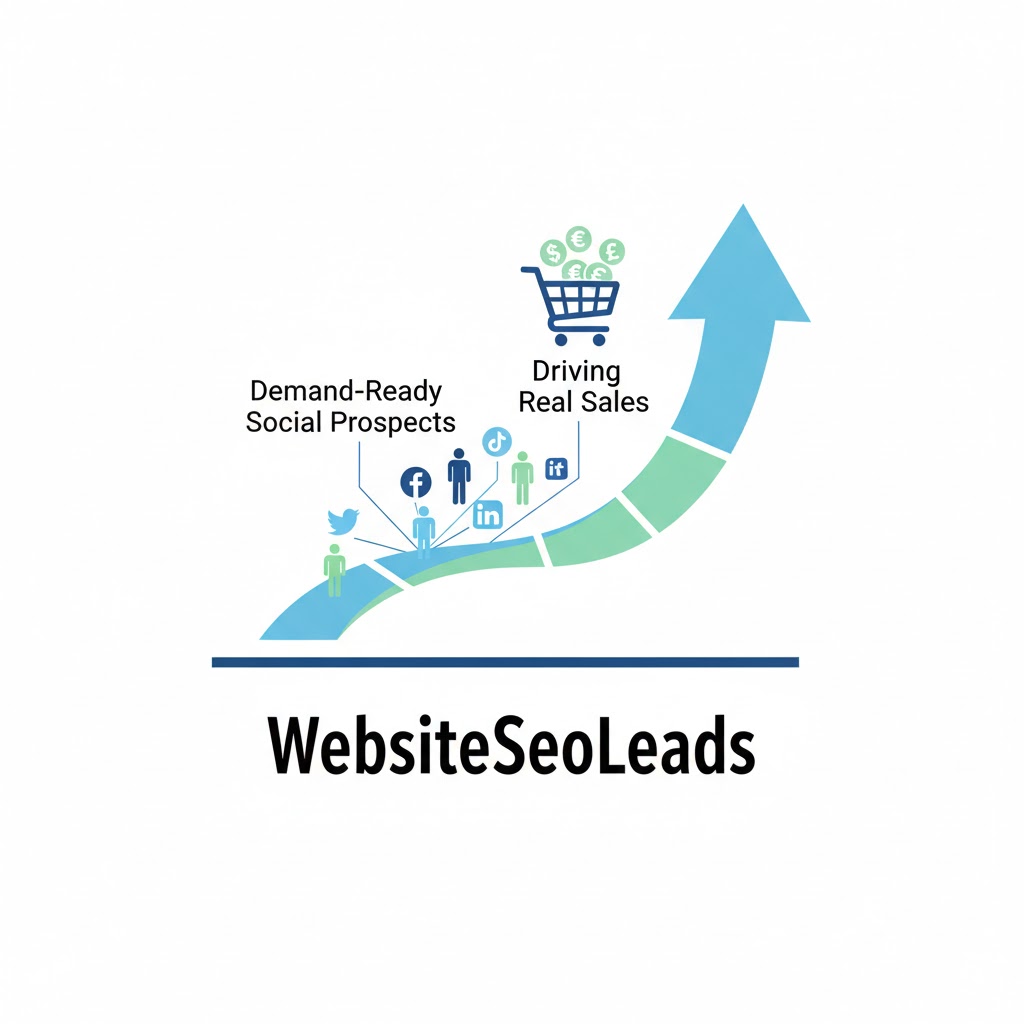
Demand-Ready Social Prospects Driving Real Sales
Social media is no longer just a branding or engagement channel—it has become a powerful source of real business revenue. Today’s buyers actively research services, compare providers, and make purchasing decisions directly on social platforms. However, not every social media interaction leads to sales. The real growth comes from demand-ready social prospects—people who are already interested, motivated, and prepared to take action. Businesses that focus on attracting these prospects experience faster conversions, higher close rates, and stronger return on investment. Many companies accelerate this process by working with trusted platforms like WebsiteSeoLeads, which deliver high-intent social prospects aligned with sales goals. What Are Demand-Ready Social ProspectsDemand-ready social prospects are users who show clear buying signals on social media. These signals may include clicking service ads, filling out lead forms, sending direct messages, requesting quotes, or engaging with call-to-action content. Unlike casual scrollers, these prospects have a problem to solve and are actively looking for a solution. They often have defined needs, timelines, and expectations. Because of this, conversations with demand-ready prospects are more focused and productive, making it easier for businesses to close deals without aggressive selling. Why Demand-Ready Prospects Drive Real SalesMany businesses struggle with social media because they chase likes, followers, or low-quality leads. While visibility is important, revenue comes from intent. Demand-ready prospects shorten the sales cycle because they already understand their needs and are open to buying. These prospects reduce wasted follow-ups, improve sales efficiency, and help teams focus on opportunities that matter. Instead of convincing people why they need a service, businesses can focus on explaining how they deliver results. How Social Media Creates Demand SignalsSocial media platforms provide valuable data about user behavior. Actions such as ad clicks, video views, form submissions, and message inquiries signal intent. When businesses design campaigns around these behaviors, they attract prospects who are already in decision-making mode. Targeted ads, lead forms, click-to-message campaigns, and retargeting strategies help surface demand-ready prospects. Clear messaging and strong calls to action play a critical role in encouraging these actions. Targeting Strategies That Improve Prospect QualityPrecise targeting is key to generating demand-ready prospects. Social platforms allow businesses to target users based on location, interests, online behavior, job roles, and purchasing signals. Narrow targeting helps eliminate low-intent users and attract prospects more likely to convert. Combining audience targeting with intent-focused messaging ensures campaigns reach people who are actively considering a purchase, not just browsing content. Speed and Automation in Converting ProspectsDemand-ready prospects expect fast responses. Delays often result in lost sales. Automation tools help businesses respond instantly, schedule calls, and send follow-ups without manual effort. Fast engagement builds trust and keeps prospects from moving to competitors. CRM systems also play a role by organizing conversations and tracking prospect progress. When social prospects are managed properly, conversion rates increase significantly. Combining Social Prospects With Verified Lead SourcesWhile social media is a strong channel, businesses often strengthen their pipeline by combining it with verified lead providers. Platforms like WebsiteSeoLeads supply demand-ready social and digital prospects that complement organic and paid social efforts. This combination creates a balanced and consistent flow of sales opportunities. Using multiple sources reduces dependency on a single channel and ensures stability in lead generation. Turning Social Demand Into RevenueConverting demand-ready prospects requires clear communication and confidence. Businesses should focus on understanding needs quickly, offering tailored solutions, and providing transparent pricing or next steps. Sharing testimonials, case studies, or quick demonstrations builds credibility and speeds up decisions. Personalized conversations work especially well with social prospects because they expect a human, conversational approach rather than scripted sales pitches. ConclusionDemand-ready social prospects are the driving force behind real, measurable sales growth. By focusing on intent, precise targeting, fast responses, and structured follow-ups, businesses can turn social media into a reliable revenue channel. When supported by trusted platforms like WebsiteSeoLeads, companies gain access to high-intent prospects who are ready to buy, not just engage. For businesses aiming to move beyond vanity metrics and generate real sales, demand-ready social prospects are the key to sustainable success.
Revenue-Focused Lead Streams for Modern Businesses
Modern businesses no longer struggle with visibility alone—they struggle with profitability. Traffic, impressions, and clicks mean very little if they do not translate into revenue. This shift has forced businesses to rethink how they approach lead generation. Instead of chasing volume, successful companies now focus on revenue-focused lead streams that bring in prospects with real buying intent. These lead streams prioritize quality, readiness, and conversion potential, helping businesses grow in a predictable and scalable way. Many companies strengthen this approach by partnering with trusted lead platforms like WebsiteSeoLeads, which deliver high-intent prospects aligned with revenue goals. What Are Revenue-Focused Lead StreamsRevenue-focused lead streams are systems designed to attract prospects who are closer to making a purchase decision. Unlike traditional lead generation that emphasizes traffic or sign-ups, these streams focus on intent, urgency, and fit. The goal is not to generate more leads but to generate better leads that convert into paying customers. These lead streams are built using data, behavior tracking, and intent signals such as service searches, form submissions, quote requests, and direct inquiries. When a prospect enters the pipeline, there is already a strong indication that they are interested and financially capable. Why Modern Businesses Need Revenue-Focused LeadsMarkets are more competitive than ever. Customers compare multiple providers before making a decision, and attention spans are short. Businesses that rely on generic lead sources often waste time on prospects who are not ready to buy. Revenue-focused lead streams solve this problem by filtering out low-quality inquiries. Sales teams spend more time closing deals and less time qualifying leads. This improves efficiency, reduces acquisition costs, and increases return on investment. For modern businesses, growth is no longer about doing more—it’s about doing what works. Key Elements of a Revenue-Driven Lead StreamA strong revenue-focused lead stream starts with precise targeting. Businesses identify their ideal customer based on industry, location, budget, and service needs. This ensures that marketing efforts reach the right audience from the start. Next comes intent capture. This includes optimized landing pages, clear calls to action, and lead forms that attract users who are actively looking for solutions. Messaging is direct and benefit-focused, encouraging action rather than passive engagement. Finally, lead handling plays a critical role. Fast responses, structured follow-ups, and clear communication significantly increase conversion rates. Revenue-focused systems treat speed and clarity as priorities. The Role of Automation and DataAutomation is essential in modern lead streams. Automated responses, CRM workflows, and lead scoring help businesses manage inquiries efficiently without delays. Data analysis tracks which leads convert, which channels perform best, and where improvements are needed. With the right data, businesses can refine targeting, adjust messaging, and invest more in channels that produce real revenue rather than vanity metrics. Reducing Sales Friction and Shortening CyclesRevenue-focused lead streams reduce friction in the buying process. Prospects already understand their problem and are looking for solutions, so conversations start at a more advanced stage. This shortens sales cycles and improves close rates. Sales teams no longer need to educate prospects from scratch. Instead, they can focus on value, differentiation, and closing the deal. Building Predictable and Scalable GrowthPredictability is one of the biggest benefits of revenue-focused lead streams. When businesses know where leads come from and how they convert, growth becomes measurable and scalable. This allows better planning, smarter hiring, and confident expansion. Many businesses achieve this consistency by combining internal lead systems with external sources like WebsiteSeoLeads, ensuring a steady flow of prospects who are ready to engage. Aligning Marketing and Sales for Better ResultsRevenue-focused lead streams align marketing and sales teams around one goal—closing business. Marketing focuses on attracting high-intent prospects, while sales focuses on converting them efficiently. This alignment eliminates friction and improves overall performance. Clear qualification criteria, shared data, and consistent messaging ensure that every lead entering the pipeline has revenue potential. ConclusionRevenue-focused lead streams are redefining how modern businesses grow. By prioritizing intent, quality, and conversion readiness, companies can move away from inefficient lead generation and toward predictable profitability. When supported by trusted platforms like WebsiteSeoLeads, businesses gain access to high-intent prospects that fuel real revenue growth. For companies looking to scale intelligently and sustainably, revenue-focused lead streams are no longer optional—they are essential.
Buyer-Intent Social Leads That Close Faster
In today’s digital landscape, businesses no longer struggle to get attention—they struggle to convert attention into sales. Likes, comments, and followers may look impressive, but they don’t always translate into revenue. What truly drives growth are buyer-intent social leads—prospects who are not just browsing but actively considering a purchase. These leads close faster, require less persuasion, and generate higher returns. This is why many businesses are shifting away from generic social media leads and focusing on buyer-intent strategies supported by reliable platforms like WebsiteSeoLeads. What Are Buyer-Intent Social LeadsBuyer-intent social leads are prospects who demonstrate clear readiness to take action. They click ads with purpose, fill out lead forms, send direct messages, request quotes, or ask service-specific questions. Unlike awareness-stage users, these leads already recognize a problem and are searching for a solution. Their intent is visible through behavior—engagement with pricing content, service pages, testimonials, or calls to action. Because they are closer to making a decision, conversations move quickly toward closing rather than education. Why Buyer-Intent Leads Close FasterThe speed at which a lead converts often depends on intent. Buyer-intent leads require less convincing because they already understand their need. Sales conversations become more about fit, pricing, and timelines rather than explaining basic value. These leads reduce friction in the sales process. Fewer follow-ups are needed, objections are smaller, and trust builds faster. For businesses, this means shorter sales cycles, better close rates, and higher productivity from sales teams. How Social Media Generates Buyer IntentSocial media platforms are powerful because they allow precise targeting and immediate action. When ads or content are shown to the right audience with clear messaging, they attract users who are ready to engage. Buyer intent is generated through actions such as clicking “Get a Quote,” starting a conversation, booking a call, or downloading service information. Platforms like Facebook, Instagram, and LinkedIn make it easy to capture these signals in real time. Strong intent usually comes from ads or posts that clearly state the solution, outcome, and next step. Ambiguous messaging attracts browsers. Clear, benefit-driven messaging attracts buyers. Targeting and Messaging That Attract BuyersBuyer-intent leads begin with targeting the right audience. Businesses should focus on users based on location, behavior, interests, and decision-making roles. Reaching people who have previously interacted with similar services or content improves lead quality significantly. Messaging must be direct and outcome-focused. Instead of generic branding, buyer-intent ads highlight results, urgency, and clarity. Phrases like “Book Today,” “Get Pricing,” or “Start Now” filter out low-intent users and attract those ready to move forward. The Role of Speed and AutomationBuyer-intent leads expect fast responses. Delayed replies often result in lost opportunities. Automation tools help businesses respond instantly, schedule follow-ups, and assign leads to the right sales flow. CRM systems and automated workflows ensure no high-intent lead is ignored. Quick engagement builds trust and increases the chance of closing before competitors respond. Combining Social Leads With Verified Lead SourcesWhile social media generates intent, businesses often strengthen results by combining it with verified lead sources. Platforms like WebsiteSeoLeads provide access to prospects who are already searching for services, making social conversations even more effective. This combination ensures a consistent pipeline of buyer-ready leads from multiple channels. Diversifying lead sources reduces dependency on a single platform and improves overall conversion stability. Turning Buyer-Intent Leads Into CustomersClosing buyer-intent leads requires clear communication and confidence. Businesses should focus on understanding needs, offering transparent pricing, and providing simple next steps. Social proof such as testimonials, reviews, and case studies reinforces trust and accelerates decisions. Sales teams should treat these leads as priority opportunities, responding quickly and professionally to maintain momentum. ConclusionBuyer-intent social leads are one of the fastest ways for businesses to increase sales and reduce wasted effort. By focusing on intent, precise targeting, sales-driven messaging, and quick follow-ups, companies can close deals faster and more consistently. When supported by trusted platforms like WebsiteSeoLeads, businesses gain access to prospects who are ready to buy—not just browse. For companies aiming to grow efficiently and predictably, buyer-intent social leads are a powerful advantage.
Social Media Client Acquisition Leads
Social media has transformed the way businesses find and connect with potential clients. Platforms like Facebook, Instagram, LinkedIn, and others are no longer just for brand awareness—they have become powerful channels for direct client acquisition. For agencies and service providers, social media client acquisition leads represent one of the fastest and most scalable ways to grow. Instead of chasing prospects through cold outreach, businesses can attract, engage, and convert clients who are already active online and open to discovering new services. What Are Social Media Client Acquisition LeadsSocial media client acquisition leads are potential customers who show interest in a service through social platforms. This interest may come from clicking ads, filling out lead forms, sending direct messages, commenting on posts, or engaging with profile content. Unlike random traffic, these leads are valuable because they are generated through interaction, not interruption. These leads are especially effective because social media users are already spending time browsing, researching, and comparing services. When businesses appear at the right moment with the right message, conversion becomes much easier. Why Social Media Is Ideal for Client AcquisitionSocial media works so well for client acquisition because it combines attention, targeting, and engagement in one place. Businesses can reach specific audiences based on location, interests, job roles, behaviors, and even purchasing intent. This level of targeting ensures marketing efforts focus on people most likely to become clients. Another advantage is familiarity. Prospects often see a brand multiple times through posts, ads, or stories before making contact. This repeated exposure builds trust and lowers resistance when a conversation begins. Types of Social Media Client Acquisition LeadsNot all social media leads are the same. Some come from paid advertising, where users click on ads and submit details through instant forms. Others come from organic engagement, such as comments, shares, and profile visits. Direct messages are also a major source of acquisition leads, especially for service-based businesses and agencies. Each type of lead requires a slightly different follow-up approach, but all benefit from fast response times and clear communication. Using Paid Social Ads to Acquire ClientsPaid advertising is one of the most effective ways to generate social media client acquisition leads. Platforms allow businesses to run campaigns focused specifically on lead generation, website visits, or direct messages. Well-structured ads with clear value propositions attract users who are ready to take action. Successful ads focus on solving a problem, not just promoting a service. For example, instead of saying “We offer marketing services,” a better message is “Struggling to get clients online? Let’s fix it.” Clear calls to action guide users toward the next step. Organic Strategies for Social Client AcquisitionWhile paid ads deliver faster results, organic strategies build long-term lead flow. Consistent posting, educational content, short videos, and case studies help establish authority. When users see valuable content repeatedly, they are more likely to reach out when they need services. Engaging with comments and messages also plays a major role. Many acquisition leads start as simple questions or reactions that turn into conversations. Targeting the Right AudienceThe success of social media client acquisition depends heavily on targeting. Reaching the wrong audience wastes budget and time. Businesses must clearly define who their ideal client is, including location, industry, business size, and needs. Precise targeting ensures that messages reach decision-makers rather than casual browsers. This improves lead quality and increases conversion rates. Speed and Follow-Up MatterSocial media leads expect fast responses. Delayed replies often result in lost opportunities. Businesses that respond quickly appear more professional and trustworthy. Automated replies can help acknowledge inquiries instantly, but human follow-up is still essential for closing deals. Consistent follow-up is equally important. Not every lead converts immediately. Friendly reminders, helpful information, and value-based communication keep prospects engaged without being pushy. Using Automation and CRM ToolsAutomation tools help manage social media client acquisition leads efficiently. Leads can be automatically captured, categorized, and assigned for follow-up. CRM systems track conversations and ensure no opportunity is missed. Automation does not replace personal interaction—it supports it by removing repetitive tasks and improving organization. Improving Lead Quality with Better Traffic SourcesLead quality improves when the right people see your content. Combining social media campaigns with high-intent traffic sources strengthens acquisition efforts. Platforms like WebsiteSeoLeads help businesses connect with prospects who are already looking for services, making social conversations more productive and conversion-focused. When social engagement meets intent-driven interest, lead quality increases significantly. Measuring Performance and Optimizing CampaignsTracking performance is essential for growth. Metrics such as cost per lead, response time, engagement rate, and conversion rate help businesses understand what works. Reviewing conversations also reveals common objections and questions, allowing better messaging and targeting. Continuous testing and optimization lead to better results over time. Building Long-Term Growth Through Social LeadsSocial media client acquisition leads are not just about immediate sales. When nurtured properly, they turn into long-term clients, referrals, and repeat business. Strong relationships built through social platforms support sustainable growth and brand authority. Businesses that invest consistently in social acquisition strategies create predictable pipelines and reduce reliance on cold outreach. ConclusionSocial media client acquisition leads have become a core growth driver for modern businesses and agencies. By combining precise targeting, engaging content, fast responses, and structured follow-up, companies can attract and convert high-quality clients consistently. When supported by reliable lead sources like WebsiteSeoLeads, social media strategies become even more effective, delivering prospects who are ready to engage and invest. For businesses focused on scalable, long-term growth, mastering social media client acquisition is no longer optional—it is essential.
Win SEO Clients Without Cold Calling
Cold calling has long been one of the most frustrating ways to acquire SEO clients. Decision-makers rarely answer unknown numbers, calls interrupt busy schedules, and rejection rates are high. In today’s digital-first world, businesses expect smarter, more relevant communication. SEO agencies that rely on cold calling often waste time and energy that could be invested in higher-converting strategies. The good news is that winning SEO clients without cold calling is not only possible—it’s far more effective. By focusing on inbound demand, authority building, automation, and intent-based lead sources, agencies can attract clients who already want SEO services. Why Cold Calling No Longer Works for SEO AgenciesCold calling is based on interruption, not intent. Most businesses you contact are not actively looking for SEO help at that moment. This creates resistance from the start. Additionally, many decision-makers rely on emails, LinkedIn, or online research rather than phone calls to evaluate service providers. Another issue is scalability. Cold calling requires manual effort and does not scale efficiently. As competition increases and trust becomes more important, agencies that shift away from cold calling gain a significant advantage. Inbound SEO Leads vs Outbound OutreachInbound lead generation focuses on attracting businesses that are already searching for SEO services. These prospects have intent, awareness, and urgency. Instead of convincing them why SEO matters, agencies can focus on explaining how they can help. Inbound SEO leads typically come from search engines, content marketing, audits, local listings, and lead platforms. These leads convert faster, require fewer follow-ups, and result in longer client relationships compared to cold outreach. Build Authority Through SEO ContentOne of the most powerful ways to win SEO clients without cold calling is by practicing what you sell. Ranking your own website for SEO-related keywords builds instant credibility. Blog posts like SEO guides, case studies, local SEO tips, and algorithm updates attract business owners who are researching solutions. When potential clients find your content through search engines, you become a trusted resource before the first conversation even begins. This trust dramatically increases conversion rates. Use SEO Audits as a Lead MagnetFree or low-commitment SEO audits are highly effective for client acquisition. Business owners want to understand what’s wrong with their website. Offering audits in exchange for contact details creates warm leads without pressure. A strong audit focuses on actionable insights such as technical issues, ranking gaps, local SEO problems, and competitor analysis. When agencies explain these findings clearly, prospects naturally ask for help implementing solutions. Leverage Local SEO to Attract Nearby BusinessesLocal SEO is a goldmine for winning clients without cold calls. Many small and medium businesses actively search for local SEO providers. Optimizing your Google Business Profile, collecting reviews, and ranking for local SEO keywords brings consistent inbound inquiries. Local businesses often prefer working with agencies that understand their market. Showing local success stories and location-specific content strengthens trust and relevance. Use LinkedIn the Right Way (Without Spamming)LinkedIn is often mistaken for a cold outreach tool, but it works best as a relationship-building platform. Instead of pitching immediately, agencies should share insights, comment on posts, and provide value. Posting SEO tips, case studies, and industry updates positions you as an expert. When business owners engage with your content, conversations start naturally. These warm interactions convert far better than cold messages. Turn Website Traffic Into Leads AutomaticallyMany SEO agencies miss opportunities because they don’t capture visitor intent effectively. Adding lead capture forms, consultation buttons, and live chat to your website helps convert traffic into inquiries. Live chat is especially powerful because it engages visitors while they are actively browsing. A simple question like “Looking to improve your Google rankings?” can start meaningful conversations without sales pressure. Email Marketing Without Cold EmailsEmail marketing doesn’t have to mean cold emailing. Agencies can build opt-in email lists through downloads, audits, newsletters, and webinars. These subscribers already know who you are. Sending helpful SEO insights, case studies, and updates keeps your agency top of mind. When subscribers are ready to hire, you are the first option they consider. Use Case Studies and Proof to Sell for YouCase studies remove the need for aggressive selling. When prospects see real results—traffic growth, ranking improvements, lead increases—they believe in your services. Detailed case studies that explain the problem, strategy, and outcome attract serious prospects. These clients already understand the value of SEO and require less convincing. Partner With Intent-Based Lead PlatformsSome agencies accelerate growth by working with platforms that deliver businesses actively searching for SEO services. Instead of cold outreach, these platforms connect agencies with prospects who already want help. Providers like WebsiteSeoLeads supply SEO-focused inquiries from businesses looking for optimization services. When combined with inbound strategies, this creates a predictable and scalable client acquisition system. Automate Follow-Ups and Lead NurturingSpeed and consistency are critical when winning SEO clients without cold calling. Automated follow-ups, reminders, and CRM systems ensure no lead is forgotten. Many prospects don’t convert immediately. Automated nurturing through emails, reports, and educational content builds trust over time and increases close rates without manual chasing. Position Yourself as a Specialist, Not a GeneralistAgencies that focus on specific industries or SEO niches win clients faster. When prospects feel that you understand their business, trust increases instantly. Specialization also improves marketing clarity. Your content, audits, and messaging become more targeted, making inbound lead generation more effective. ConclusionWinning SEO clients without cold calling is not only possible—it’s the smartest path forward. By focusing on inbound SEO, authority building, audits, local visibility, automation, and intent-based lead sources, agencies attract clients who already want their services. Cold calling interrupts; inbound strategies invite. When supported by systems, content, and reliable lead sources like WebsiteSeoLeads, SEO agencies can build predictable pipelines, higher conversion rates, and long-term growth. The future of SEO client acquisition is not about chasing prospects—it’s about being found, trusted, and chosen.
Social Media Client Leads for Agencies
Social media has evolved far beyond brand awareness and engagement. Today, it is one of the strongest channels for generating high-quality client leads for agencies. Businesses spend a significant amount of time on platforms like Facebook, Instagram, LinkedIn, and even short-video platforms, actively researching services, comparing providers, and making purchasing decisions. For agencies offering digital marketing, SEO, web design, or social media management, social media client leads represent a major growth opportunity. When used strategically, social platforms can deliver a steady stream of qualified prospects who are ready to start conversations and move toward conversion. Why Social Media Is a Powerful Lead Source for AgenciesUnlike traditional outbound methods, social media allows agencies to meet potential clients where they already spend time. Business owners, founders, and marketing managers actively follow industry pages, join groups, watch educational videos, and interact with ads related to their needs. This behavior creates strong intent signals. Social media also enables two-way communication. Prospects can comment, message, or click instantly, making lead generation faster and more interactive than email-based outreach. For agencies, this means warmer conversations and higher response rates compared to cold prospecting. Understanding Social Media Client LeadsSocial media client leads are potential customers who express interest in agency services through social platforms. This interest may come from clicking an ad, filling out a lead form, sending a direct message, commenting on a post, or engaging with a call-to-action. These leads are valuable because they are often generated in moments of active interest. For example, a business owner watching a video about increasing website traffic or improving conversions may click an ad offering a free consultation. That interaction becomes a lead with context and intent, making follow-up more effective. Best Platforms for Generating Agency LeadsDifferent platforms serve different lead-generation purposes. Facebook and Instagram work well for small to mid-sized businesses, local services, and eCommerce brands. Their advanced targeting options allow agencies to reach users based on interests, behaviors, and demographics. LinkedIn is especially effective for B2B agencies. It allows targeting by job title, company size, industry, and role, making it ideal for agencies selling SEO, PPC, or marketing retainers. Short-video platforms are also becoming powerful for lead generation when combined with educational content and clear calls to action. Choosing the right platform depends on the agency’s niche, services, and ideal client profile. Targeting the Right AudienceSuccessful social media lead generation starts with accurate targeting. Agencies must clearly define who they want to reach. This includes business size, location, industry, decision-maker role, and pain points. Advanced targeting options allow agencies to narrow audiences to business owners, founders, marketing managers, or entrepreneurs. Retargeting also plays a key role. Users who visit a website, watch videos, or engage with content are more likely to convert when shown follow-up ads. Precise targeting reduces ad waste and improves lead quality, which is critical for agency growth. Content That Attracts High-Quality LeadsContent quality directly affects lead quality. Social media users respond better to content that educates, solves problems, or shows clear results. Agencies that share case studies, short tutorials, before-and-after examples, or practical tips build trust quickly. Clear calls to action are essential. Phrases like “Book a free audit,” “Get a custom strategy,” or “Schedule a consultation” guide users toward conversion. Content should speak directly to the audience’s challenges rather than focusing only on services. Using Ads to Scale Lead GenerationWhile organic content builds credibility, paid ads are often necessary to scale lead generation. Social media ads allow agencies to reach targeted audiences quickly and test different offers. Lead form ads, message ads, and landing page ads each serve different purposes. Lead form ads reduce friction by allowing users to submit information without leaving the platform. Message ads start conversations directly in inboxes. Landing page ads work well for agencies offering in-depth consultations or audits. Testing ad creatives, copy, and offers helps agencies refine performance over time. Managing and Qualifying Social Media LeadsGenerating leads is only part of the process. Proper lead management determines success. Agencies should respond quickly to social media inquiries, as response time significantly affects conversion rates. Delayed responses often result in lost opportunities. Qualification is also important. Asking the right questions early helps filter serious prospects from casual inquiries. Understanding budget range, goals, and timelines allows agencies to focus on leads with the highest potential. CRM tools, automated replies, and scheduling systems help agencies manage leads efficiently and maintain consistent communication. Automation and Lead NurturingAutomation plays a major role in scaling social media lead generation. Automated messages, follow-up emails, and reminders ensure no lead is missed. Automation also allows agencies to nurture leads who are not ready to convert immediately. Educational follow-ups, case studies, and helpful content keep agencies top-of-mind until prospects are ready to move forward. This approach improves overall conversion rates and reduces reliance on aggressive sales tactics. Improving Lead Quality with Verified SourcesAgencies often combine social media efforts with external lead sources to maintain consistency. Platforms like WebsiteSeoLeads help agencies access pre-qualified, intent-based leads that complement social media campaigns. When inbound social leads and verified external leads work together, agencies build stronger and more predictable pipelines. This blended approach reduces dependence on a single channel and stabilizes client acquisition. Measuring Performance and Optimizing ResultsTracking performance is essential for long-term success. Key metrics include cost per lead, lead quality, response time, conversion rate, and client acquisition cost. Reviewing these metrics helps agencies identify what works and where improvements are needed. Analyzing ad performance, audience engagement, and lead behavior allows agencies to refine targeting, messaging, and offers. Continuous optimization leads to better ROI and scalable growth. ConclusionSocial media client leads have become a critical growth driver for agencies in today’s digital landscape. With the right targeting, content, ads, and follow-up systems, agencies can attract qualified prospects without relying on cold outreach. Social media provides real-time engagement, strong intent signals, and scalable opportunities when used strategically. When combined with smart lead management, automation, and reliable lead sources, social media lead generation helps agencies build predictable pipelines and
Lead Platforms Designed for SEO Professionals
SEO professionals are experts at improving search rankings, driving organic traffic, and increasing online visibility for businesses. However, even the most skilled SEO specialists face a common challenge—finding new clients consistently. Cold emails, mass outreach, and random prospecting often consume time without delivering reliable results. As competition grows and buyer behavior changes, SEO professionals need smarter, more efficient ways to attract clients. This is where lead platforms designed specifically for SEO professionals play a critical role. These platforms focus on intent, relevance, and automation, helping SEO experts connect with businesses actively searching for optimization services rather than chasing uninterested prospects. What Are Lead Platforms for SEO ProfessionalsLead platforms for SEO professionals are systems built to attract, identify, and deliver potential clients who need SEO services. Unlike general marketing databases or scraped contact lists, these platforms are intent-driven. They focus on businesses showing clear signals such as searching for SEO services, requesting website audits, comparing agencies, or exploring ways to improve rankings. These platforms use a combination of search data, user behavior, online forms, and service inquiries to generate qualified leads. The result is a steady flow of prospects who already understand the value of SEO and are more open to professional assistance. Why Generic Lead Sources Fail for SEO ServicesSEO is not a one-time purchase or an impulse decision. Businesses looking for SEO usually want long-term partnerships and measurable outcomes. Generic lead sources often fail because they lack context, urgency, and relevance. Many contacts in generic lists are not decision-makers, lack budget, or are not ready to invest in SEO. Lead platforms designed for SEO professionals address this issue by focusing on intent and readiness. They connect SEO experts with businesses that already recognize a problem and are searching for a solution. This dramatically improves response rates and sales efficiency. Inbound Demand vs Outbound ProspectingOutbound prospecting interrupts potential clients who may not be thinking about SEO at all. Inbound lead platforms work differently. They capture demand that already exists. Businesses searching online for SEO solutions are actively looking for help, making inbound leads warmer and easier to convert. Inbound demand-driven platforms reduce resistance during sales conversations. SEO professionals no longer need to explain why SEO matters. Instead, discussions focus on strategy, timelines, and results. This shift saves time and increases closing rates. How Lead Platforms Generate SEO ClientsLead platforms designed for SEO professionals rely on multiple digital channels to capture interest. These channels often include SEO-focused landing pages, audit request forms, local business searches, consultation requests, and content that targets SEO-related problems. When a business fills out a form, requests an audit, or asks for help ranking higher on Google, the platform captures and qualifies that inquiry. Advanced platforms also filter leads by industry, location, business size, and service requirements, ensuring SEO professionals receive leads aligned with their expertise. The Role of Automation in Lead PlatformsAutomation is one of the strongest advantages of modern lead platforms. Automated notifications ensure SEO professionals are alerted instantly when a new lead arrives. Lead scoring systems help prioritize high-intent prospects. Automated follow-ups maintain engagement even when professionals are busy delivering client work. Automation also improves response speed, which is critical for conversion. Businesses often contact multiple agencies at once, and the fastest response usually wins. Automated systems help SEO professionals stay competitive without constant manual effort. Managing Leads Efficiently with Structured WorkflowsReceiving leads is only valuable if they are managed properly. Lead platforms typically integrate with CRM systems or include built-in pipelines. This allows SEO professionals to track where each lead stands, schedule follow-ups, and store conversation history. Structured workflows reduce missed opportunities and ensure consistent communication. With clear lead stages, professionals can focus their energy on prospects most likely to convert while nurturing others over time. Improving Lead Quality Through Data and Intent SignalsHigh-quality lead platforms analyze data beyond basic contact information. They evaluate search behavior, page visits, engagement patterns, and repeat interactions to determine intent. Businesses that show multiple signals—such as searching for SEO pricing, reading case studies, or requesting audits—are considered higher-quality leads. Platforms like WebsiteSeoLeads focus on delivering SEO leads generated from real demand rather than random lists. This emphasis on intent significantly improves lead quality and saves SEO professionals from chasing unqualified prospects. Supporting Long-Term Growth for SEO ProfessionalsConsistent access to qualified leads allows SEO professionals to grow strategically. Predictable lead flow makes it easier to plan workload, hire team members, and expand service offerings. Instead of reacting to slow periods, professionals can focus on building systems, improving delivery, and strengthening client relationships. Working with motivated SEO clients also helps professionals build strong case studies, testimonials, and referrals. Over time, this creates a positive growth cycle where strong results attract even more clients. Scaling Without Increasing Sales PressureOne of the biggest benefits of lead platforms is scalability without burnout. SEO professionals can increase lead volume without increasing cold outreach or sales pressure. Automation and intent-based targeting handle much of the prospecting work, allowing professionals to concentrate on strategy and results. This balance is especially important for solo consultants and small agencies that need growth without overwhelming sales processes. Combining Lead Platforms with Proven Lead SourcesWhile lead platforms manage capture and workflows, having access to direct, high-intent leads further strengthens client acquisition. Many SEO professionals combine platforms with trusted sources like WebsiteSeoLeads to maintain a consistent pipeline of businesses actively seeking SEO services. This hybrid approach ensures stability. If one channel slows down, others continue to deliver opportunities, reducing risk and maintaining momentum. Best Practices for Converting SEO LeadsTo maximize results from lead platforms, SEO professionals should respond quickly, ask clear discovery questions, and offer value early. Providing quick audits, actionable insights, or initial recommendations builds trust and positions the professional as an expert. Clear proposals, transparent pricing, and realistic expectations further improve conversion rates. Strong onboarding processes ensure new clients feel confident from the start, increasing retention and long-term value. Common Mistakes to AvoidSome SEO professionals make the mistake of treating inbound leads casually. Slow responses, generic replies,