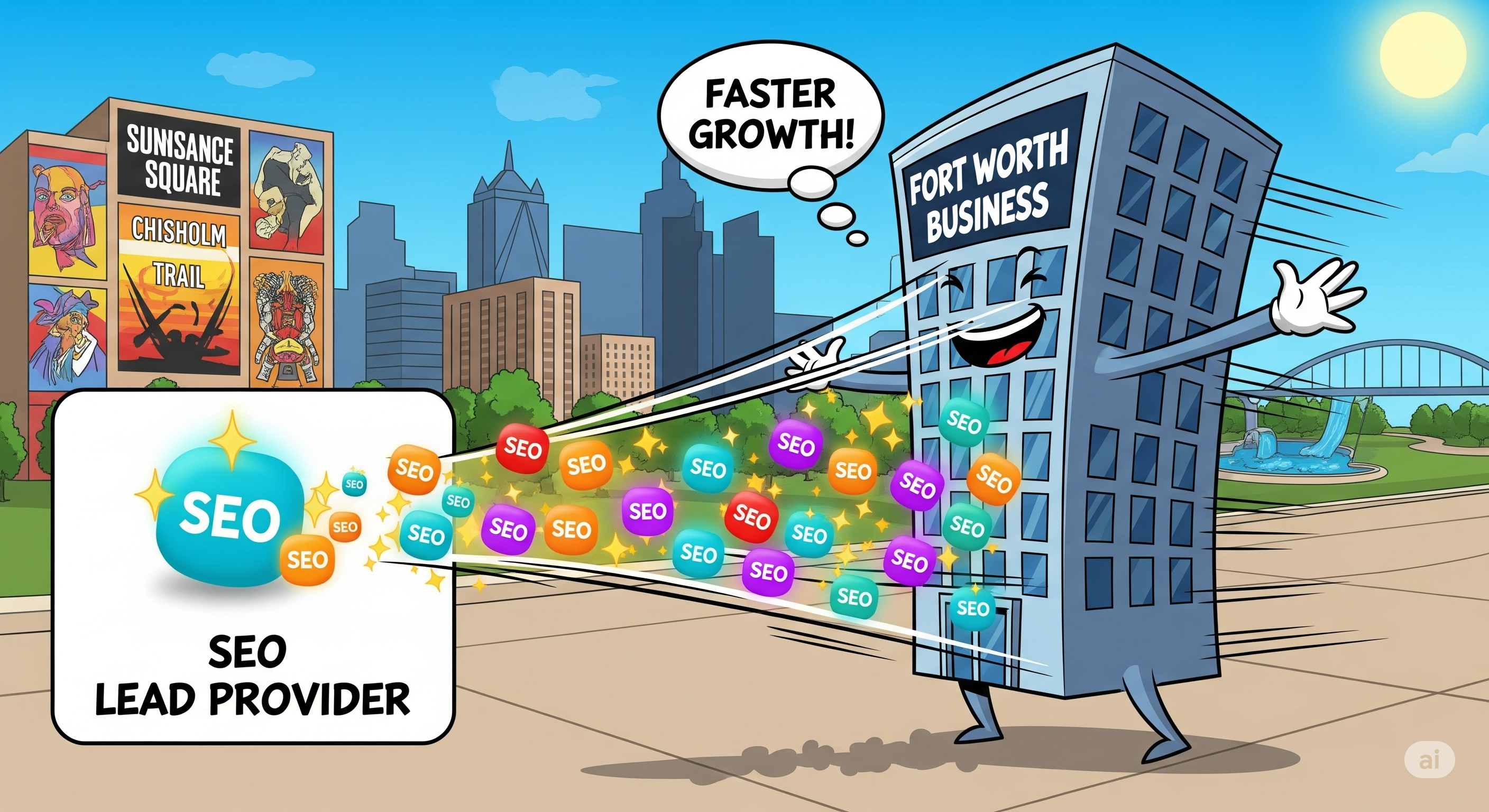
Growing a digital agency in today’s competitive environment is no easy task. In a city like Fort Worth, Texas, where businesses of all sizes are seeking online visibility, the competition among agencies is stronger than ever. Whether you’re running a small firm or a growing team, one thing is certain—your agency can’t thrive without a steady stream of high-quality leads. That’s where the ability to buy SEO leads in Fort Worth becomes a powerful growth strategy. Why SEO Leads Matter in Fort Worth Fort Worth is a booming business hub in Texas, home to local startups, small businesses, and established companies across industries. From law offices and restaurants to real estate firms and e-commerce brands, everyone is fighting for better search rankings and online traffic. The demand for SEO services is higher than ever, but cold outreach often wastes time and resources. By choosing to buy SEO leads, agencies in Fort Worth can skip the uncertainty of prospecting and focus instead on clients who are already looking for digital marketing solutions. The Benefits of Buying SEO Leads Investing in SEO leads saves more than just time—it fuels consistent growth. Here are some of the biggest benefits: Who Benefits Most from Buying SEO Leads? Whether you’re a freelancer, a small agency, or a larger marketing firm, buying leads can work for you: Choosing the Right SEO Lead Provider in Fort Worth Not every lead provider offers the same quality. Before you invest, make sure the leads you buy are: Final Thoughts If you’re serious about growing your agency in Fort Worth, relying only on cold outreach or word-of-mouth isn’t enough. To scale faster and consistently, you need access to qualified SEO leads that save you time and convert into paying clients. By choosing to buy SEO leads in Fort Worth, your agency can spend less time chasing opportunities and more time delivering results, building relationships, and growing revenue. WebsiteSeoLeads
How to Get SEO Clients in Austin Without Cold Calling
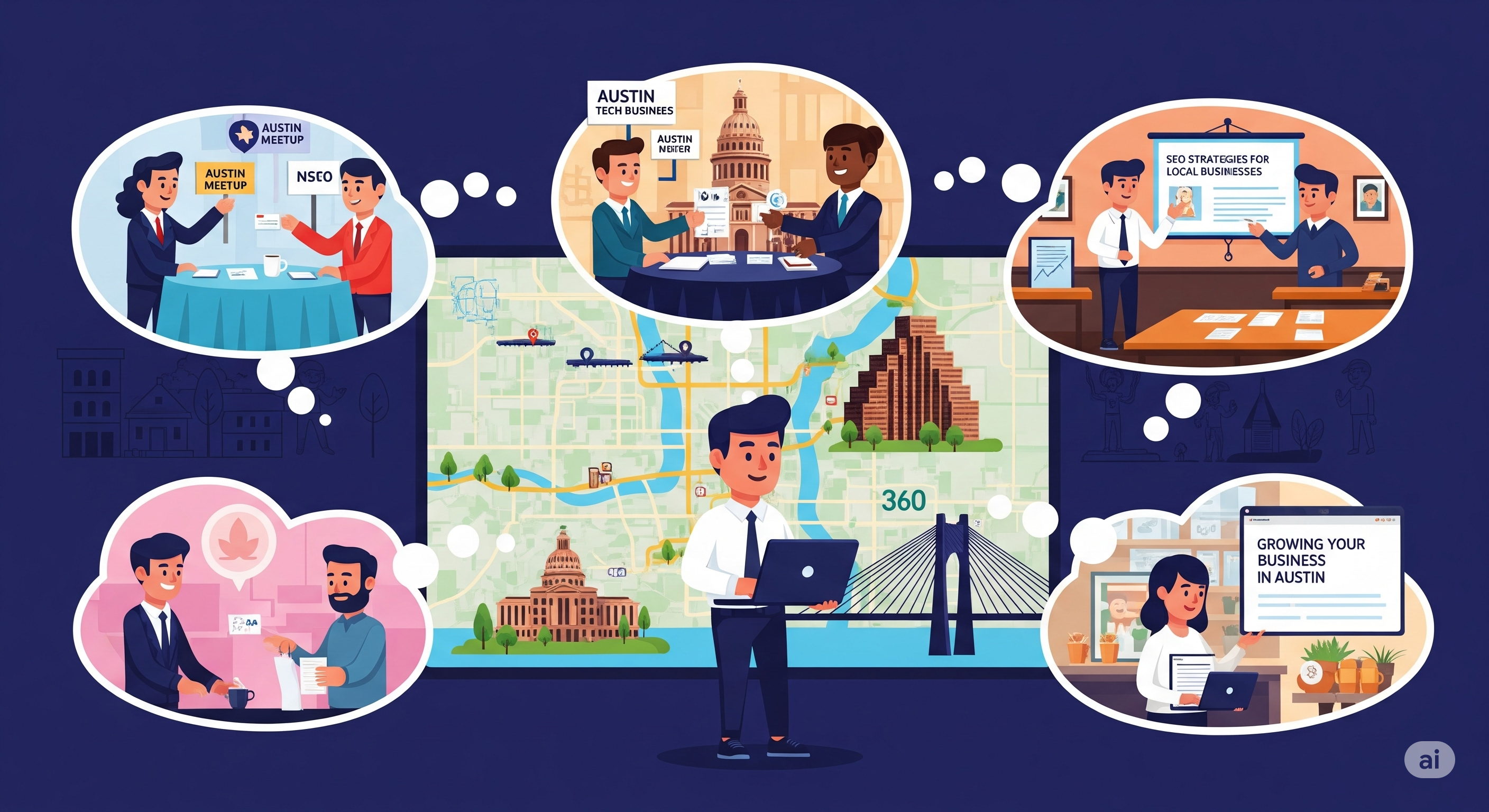
If you run an SEO agency in Austin, Texas, you already know the competition is fierce. Businesses in every industry—from food trucks on South Congress to law firms downtown—are searching for ways to boost their online visibility. While cold calling has been the traditional go-to for many agencies, it’s outdated, time-consuming, and often ineffective. Fortunately, there are smarter ways to attract SEO clients without ever dialing a number. Why Cold Calling No Longer Works in Austin Austin businesses are tech-savvy. Most owners already receive multiple pitches every week, meaning your cold call is likely ignored or dismissed. Instead of spending hours trying to persuade uninterested businesses, your time is better spent engaging with prospects who already want SEO help. That’s where modern client acquisition strategies make all the difference. Build Local Visibility with Smart SEO One of the best ways to land SEO clients is by showcasing your own expertise. If your agency ranks for terms like “SEO services Austin” or “local SEO Austin,” you automatically attract business owners who are actively searching for solutions. By demonstrating that you can rank yourself, you prove your credibility and increase trust. Leverage Content Marketing to Educate Prospects Blog posts, case studies, and free guides are powerful tools. For example, a blog post about “How Local Businesses in Austin Can Boost Google Rankings” can bring in traffic from business owners who are struggling with SEO. Content marketing positions you as an expert and keeps your agency top-of-mind when prospects are ready to hire. Tap Into Referrals and Networking Austin’s local business community thrives on networking. From meetups and Chamber of Commerce events to startup incubators, building real relationships can bring in high-value referrals. When a business owner trusts you because of a personal recommendation, you skip the hard sell entirely. Use Paid Campaigns to Target Local Business Owners Running targeted ads on Google or LinkedIn allows you to connect directly with Austin business owners who are already searching for SEO help. Unlike cold calling, this approach captures interest at the right time—when prospects are ready to take action. Invest in Pre-Qualified SEO Leads For agencies that want to scale quickly, buying SEO leads in Austin is one of the fastest ways to grow. These leads are pre-qualified, meaning the businesses already expressed interest in SEO services. Instead of chasing cold prospects, you start the conversation with businesses that want to hear from you. Final Thoughts You don’t need cold calling to get SEO clients in Austin. By focusing on visibility, content marketing, networking, paid campaigns, and pre-qualified leads, you can build a steady flow of prospects who are eager for your services. In a city as vibrant and competitive as Austin, the agencies that adapt will be the ones that grow the fastest. WebsiteSeoLeads

Buy Web Design Leads in Dallas for Steady Growth
Scaling a digital agency in Dallas isn’t just about delivering quality web design—it’s about keeping your pipeline full of new clients. With so many businesses across Dallas competing online, the demand for professional website design has never been higher. But instead of spending endless hours cold calling, emailing, or networking without guaranteed results, agencies can take a smarter approach: buying web design leads that are already pre-qualified and ready to hire. Why Dallas Is a Prime Market for Web Design Leads Dallas is one of Texas’s largest business hubs, home to everything from startups and small shops to large corporations. Every one of these businesses needs a strong digital presence to remain competitive. Whether it’s a restaurant looking to attract more customers, a law firm building trust online, or an e-commerce brand wanting a conversion-focused website, the opportunities are endless. For web design agencies, this means there’s no shortage of potential clients—but the challenge is finding them at the right time. By choosing to buy web design leads in Dallas, agencies can skip the time-consuming prospecting stage and focus directly on businesses that are actively searching for design services. The Benefits of Buying Web Design Leads Purchasing web design leads offers several key advantages for Dallas-based agencies: Who Should Invest in Dallas Web Design Leads? Buying web design leads isn’t only for large firms. It’s ideal for: How to Choose the Right Lead Source Not all lead providers are equal. When purchasing leads for your Dallas agency, make sure the source: Final Thoughts Dallas is packed with businesses that need professional web design, but not all of them are easy to find through traditional outreach. Instead of wasting valuable time on cold calls, agencies can buy web design leads in Dallas and start focusing on what really matters—closing deals and delivering results. If steady growth is your goal, investing in qualified leads is one of the fastest and most reliable ways to get there. WebsiteSeoLeads
Buy Web Design Leads in San Antonio for Faster Scaling
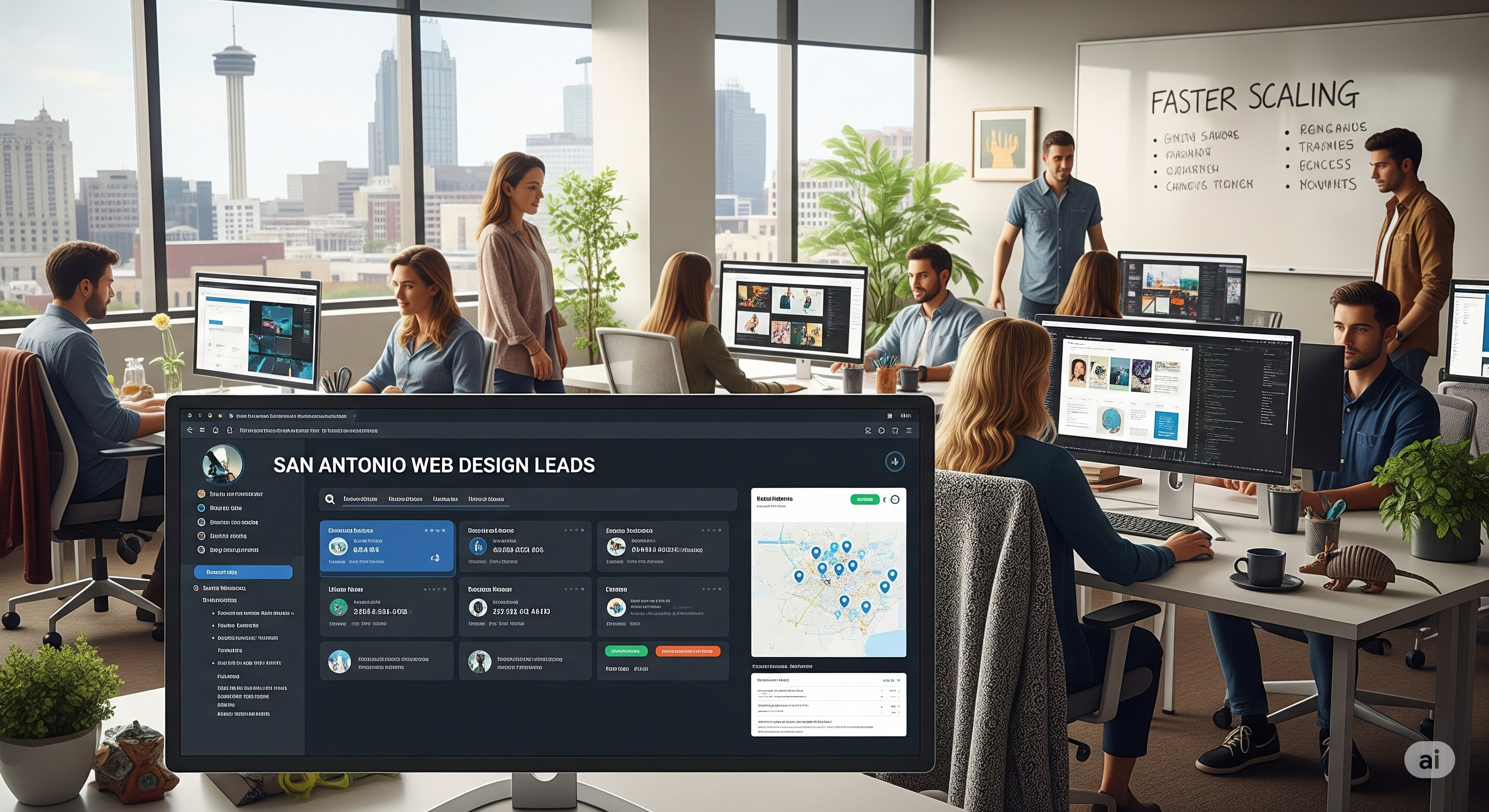
Scaling an agency in today’s competitive digital market requires more than just talent and creativity. In cities like San Antonio, Texas, where small businesses, startups, and established brands are all competing for online visibility, agencies need a reliable way to keep their sales pipelines full. That’s where buying web design leads becomes a game-changer. Instead of spending endless hours cold calling or chasing unresponsive prospects, agencies can tap into qualified web design leads that are already interested in professional design services. This means less time spent prospecting and more time focusing on closing deals and delivering results. Why San Antonio Is a Hotspot for Web Design Leads San Antonio has become one of Texas’s fastest-growing business hubs. From local restaurants and law firms to healthcare providers and e-commerce brands, companies in every industry are realizing they need a strong digital presence to stay competitive. This surge in demand creates massive opportunities for agencies and freelancers who offer website design services. The challenge is not finding potential clients—it’s finding ones that are serious, ready to invest, and match your services. That’s why buying web design leads in San Antonio can help agencies connect directly with businesses that need them now. The Benefits of Buying Web Design Leads in San Antonio When you buy high-quality web design leads, you gain several advantages: Who Should Buy Web Design Leads? Buying web design leads isn’t just for big agencies. It benefits: How to Choose the Right Source for Web Design Leads Not all leads are created equal. To make sure your investment pays off, choose providers that: Final Thoughts For agencies in San Antonio, the path to faster growth isn’t through cold outreach or endless networking—it’s through a steady supply of qualified web design leads. By purchasing high-quality leads from trusted sources, agencies can skip the guesswork, focus on closing clients, and scale their businesses with confidence. If you’re serious about growing your web design agency in San Antonio, now is the time to invest in leads that deliver real results. WebsiteSeoLeads
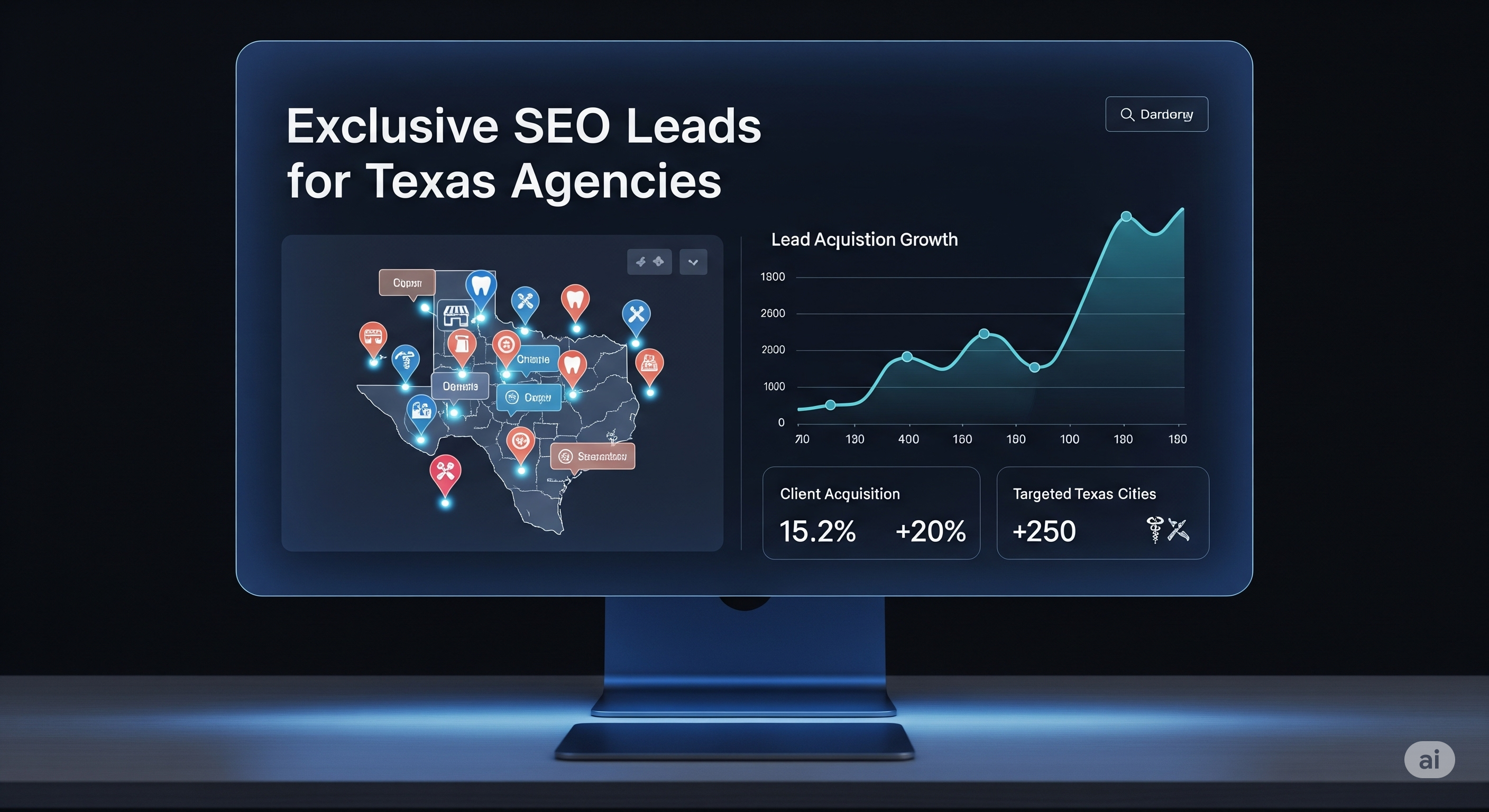
Where to Find Exclusive SEO Leads for Texas Agencies
For agencies in Texas, the hunt for reliable SEO clients can feel never-ending. Between sending cold emails, endless follow-ups, and attending local networking events, you can spend more time chasing prospects than actually delivering results for your clients. That’s where exclusive SEO leads come in — they save you time, energy, and wasted effort by connecting your agency directly with businesses ready to invest in SEO services. So, where can Texas agencies find exclusive SEO leads that actually convert into paying clients? Let’s break it down step by step. Why Exclusive SEO Leads Matter for Texas Agencies Not all leads are created equal. Many agencies waste money on shared leads that are sent to multiple competitors at the same time. This results in a bidding war, lower margins, and wasted hours trying to win a client who may already be talking to five other agencies. Exclusive SEO leads, on the other hand, are different: For agencies in competitive Texas cities like Austin, Houston, Dallas, and San Antonio, exclusivity can be the difference between sustainable growth and constant churn. Local Directories and Business Listings Texas is home to countless small and medium-sized businesses — all of them potential SEO clients. Many still rely on outdated marketing strategies and need help ranking on Google. By monitoring local directories like: You can spot businesses that lack visibility online and pitch your SEO expertise. While this is more of a DIY approach, it’s a reliable way to identify businesses that may not yet be working with an agency. Texas Business Events and Networking In-person networking still works wonders in Texas. From Dallas tech meetups to Austin marketing conferences and Houston small business expos, local events put you directly in front of decision-makers. When attending, focus on: This method requires effort, but the leads you generate are often warmer because they’ve already met you face-to-face. Buying Exclusive SEO Leads from Trusted Sources For agencies looking to scale quickly without spending countless hours prospecting, buying exclusive SEO leads is the fastest solution. Instead of chasing down businesses, you get connected directly with companies in Texas who are already searching for SEO services. The benefits of buying exclusive SEO leads include: Agencies in Houston or Dallas, where competition is especially fierce, find that exclusive leads give them the edge needed to consistently land new clients. Online Lead Generation Platforms Several platforms allow you to connect with businesses actively searching for SEO services. Some popular ones include: While these platforms are helpful, leads are not always exclusive. That’s why pairing them with a trusted exclusive lead provider is often the smarter approach. SEO and PPC for Your Own Agency Sometimes, the best way to attract exclusive SEO leads is by applying your own SEO skills to your agency website. Ranking for keywords like “SEO agency Austin,” “Houston SEO services,” or “Dallas SEO experts” can bring in highly motivated local leads who are already looking for solutions. Pairing SEO with targeted Google Ads campaigns aimed at Texas businesses allows you to control the flow of leads instead of waiting for them to appear. Reputation Management and Referrals Texas is a relationship-driven state, where word of mouth can make or break a business. By managing your agency’s reputation on platforms like Google Business Profile, Clutch, or Yelp, you’ll stand out as the go-to SEO partner. Satisfied clients are also more likely to refer you to other business owners in their network, generating exclusive leads without spending extra on ads. Final Thoughts Finding exclusive SEO leads in Texas doesn’t have to feel like searching for a needle in a haystack. Whether you choose to attend local business events, optimize your own site, or invest in exclusive lead providers, the key is consistency. Texas agencies that scale the fastest are the ones that stop chasing cold prospects and instead focus on high-quality leads who are already searching for SEO support. By leveraging exclusive leads, your agency can spend less time prospecting and more time doing what you do best — helping businesses in Texas grow online. WebsiteSeoLeads
Web Design Leads That Help Houston Agencies Close More Deals
Running a web design agency in Houston is exciting but also highly competitive. With so many businesses looking to establish or upgrade their online presence, opportunities are everywhere—but not every opportunity is worth chasing. The real challenge lies in finding web design leads that are not only high in volume but also high in quality. For agencies, the difference between chasing cold prospects and working with ready-to-buy leads can mean the difference between struggling to survive and scaling quickly. Why Quality Web Design Leads Matter in Houston Houston is one of the fastest-growing business hubs in Texas. From local restaurants and retailers to tech startups and corporate firms, almost every business needs a strong online presence. However, while the demand is high, agencies that rely solely on cold outreach often waste valuable time and resources. Quality web design leads save agencies from the grind of prospecting. Instead of spending hours cold-calling, emailing, or running generic ads, your team can focus on speaking with businesses that already know the value of professional design and are actively looking for help. In other words, quality leads bring intent. And intent is what makes deals close faster. What Makes a Web Design Lead “High-Quality”? Not all leads are created equal. Some may just be exploring options, while others are ready to sign a contract. Here are a few signs of high-quality web design leads in Houston: When you work with these types of leads, your closing rate increases dramatically. How Houston Agencies Can Attract Better Web Design Leads Agencies that close more deals focus on lead generation strategies that deliver higher intent. Some of the most effective methods include: 1. Target Local SEO in Houston Ranking for keywords like “Houston web design services” or “web design agency Houston TX” helps your business appear in front of local companies actively searching for services. Local SEO ensures you’re capturing leads who are already interested and nearby. 2. Use Paid Ads Strategically Google Ads and social media campaigns targeted to Houston businesses can generate immediate results. Running ads specifically for industries that are booming in the city—like oil and gas services, restaurants, healthcare, and real estate—can help you attract warm prospects. 3. Tap Into Referral Networks Partner with marketing consultants, IT companies, or branding agencies in Houston who don’t offer web design but often know businesses that need it. Referrals bring highly qualified leads. 4. Invest in Pre-Qualified Lead Sources Instead of starting from scratch, agencies can buy web design leads from trusted providers. These leads are often pre-screened, meaning the businesses are already looking for design services and fit your criteria. This saves time and boosts your team’s productivity. 5. Build Trust With Reputation Management Your agency’s credibility plays a big role in winning clients. Positive online reviews and case studies from Houston businesses build trust and make it easier to close deals. Agencies that combine web design with reputation management services have an extra edge because they can offer more value to local businesses. Why Buying Web Design Leads Is a Game-Changer For many Houston agencies, the quickest way to scale is by tapping into a consistent flow of exclusive web design leads. Instead of hoping inbound marketing kicks in or spending weeks running outbound campaigns, you gain access to businesses that are ready to talk now. Buying web design leads also means: Agencies that combine purchased leads with their own inbound marketing efforts see the fastest growth in Houston’s competitive market. Closing More Deals in Houston At the end of the day, web design agencies that thrive in Houston are the ones that stop wasting time on cold outreach and start focusing on high-quality opportunities. Whether through local SEO, referrals, or buying exclusive web design leads, the goal is the same: fill your pipeline with businesses that are ready to say “yes.” By aligning your team’s efforts with better-quality leads, you’ll not only close more deals but also build long-term relationships with Houston businesses that continue to bring referrals and repeat projects. WebsiteSeoLeads
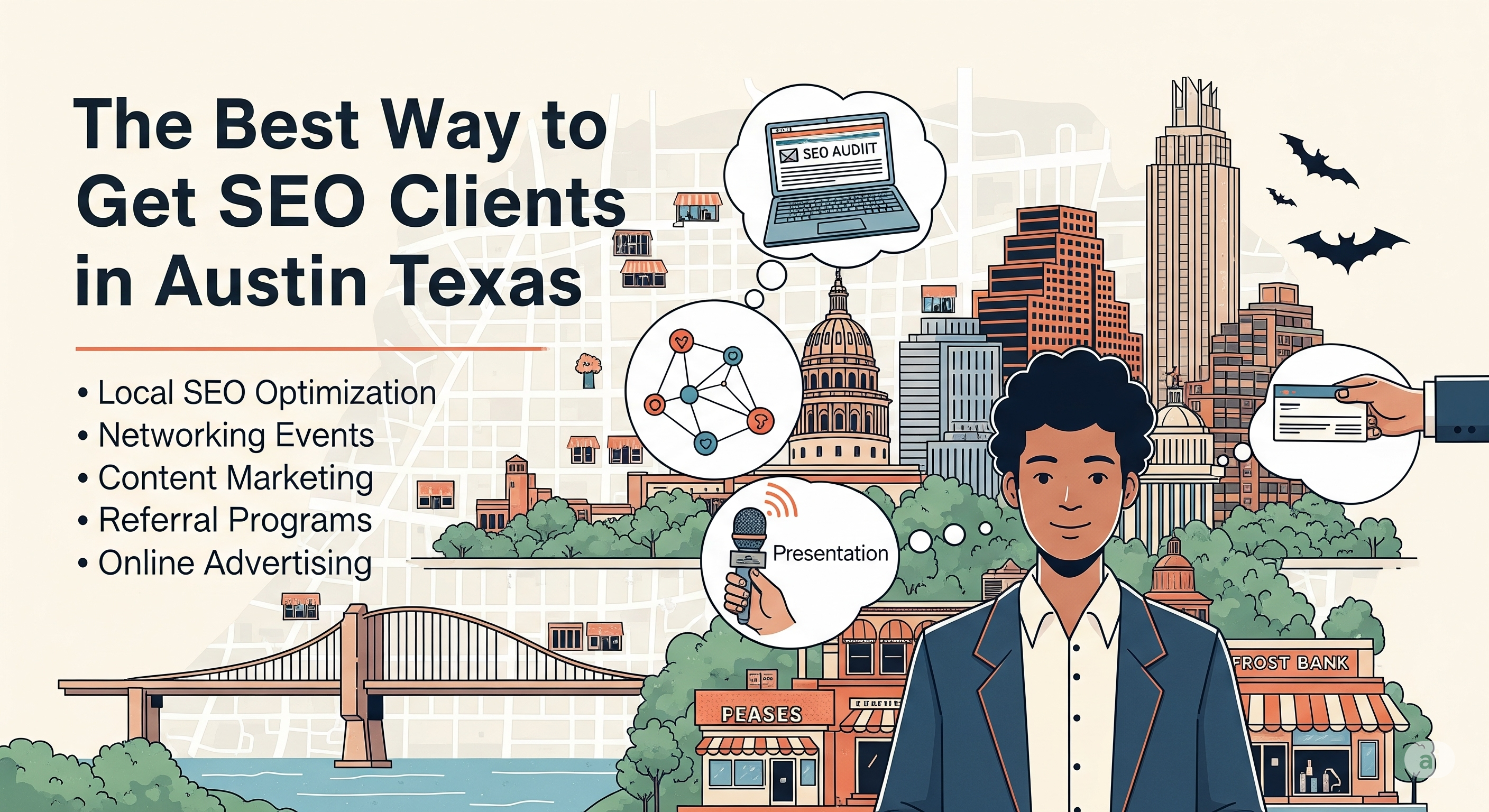
The Best Way to Get SEO Clients in Austin Texas
Austin, Texas, has quickly become one of the fastest-growing hubs for digital marketing, startups, and small businesses. With more and more companies investing in online visibility, the demand for SEO services is at an all-time high. For agencies and freelancers, the challenge isn’t whether SEO clients exist in Austin—it’s figuring out the best way to connect with them. If you’ve been struggling with endless outreach, cold calling, or low-quality leads, it’s time to rethink your approach. Let’s explore the most effective ways to get SEO clients in Austin, Texas, without wasting time on outdated strategies. Understand the Austin Business Market Austin is home to a mix of tech startups, local restaurants, service-based businesses, and growing e-commerce brands. What do they all have in common? They need to be visible online to compete. Business owners here understand the value of digital marketing, but they’re also cautious about where they spend their budgets. That means your agency or freelance SEO services must be positioned not just as another provider, but as a solution to their growth challenges. The more tailored your message is to Austin’s unique business culture, the easier it is to attract the right clients. Move Away From Cold Calling Cold calling may have worked in the past, but today, Austin businesses are too busy and too informed to waste time on unsolicited pitches. Instead of interrupting business owners with calls, focus on methods that attract clients to you naturally. This includes: By showing expertise upfront, you’re more likely to be seen as a trusted partner rather than a pushy salesperson. Leverage High-Intent SEO Leads One of the smartest ways to get SEO clients in Austin is by focusing on pre-qualified, high-intent leads. These are business owners who are already searching for SEO help, which means they are much closer to making a decision than someone you reach through cold outreach. Some agencies choose to buy SEO leads from trusted sources so they can skip the hardest part—finding prospects who are ready to talk. This allows you to spend more time closing deals and less time chasing people who aren’t interested. Network in Austin’s Growing Business Community Austin is known for its strong business networking culture. Events like SXSW, Chamber of Commerce meetups, and local small business groups are full of decision-makers who may need SEO services. By attending, speaking, or even just networking, you can connect with clients who prefer to hire someone local. In addition to physical networking, online groups such as Austin-based LinkedIn communities or Facebook groups for entrepreneurs can help you find business owners actively looking for marketing help. Showcase Real Results Austin clients are data-driven. They want to know what kind of results they can expect before signing a contract. Instead of simply promising “better rankings,” highlight case studies, local success stories, and real numbers. For example: When you show proof, trust grows, and closing clients becomes much easier. Offer Packages That Match Austin Businesses Not every Austin business can afford a full-scale SEO campaign right away. That’s why offering tiered packages or flexible services is a great way to meet them where they are. Start with essentials like local SEO optimization or reputation management, then scale up as they see results. This approach not only helps you win more clients but also creates long-term relationships that lead to steady recurring revenue. Position Yourself as a Local Expert When Austin businesses search for SEO services, they often prefer working with someone who understands their local market. Position your agency or freelance services as the go-to SEO partner for Austin businesses. Ways to do this include: By making your brand feel local, you stand out from generic agencies that don’t have that community connection. Final Thoughts The best way to get SEO clients in Austin, Texas, isn’t through outdated cold calling—it’s by building trust, targeting high-intent leads, and showing real results. Whether you generate your own inbound leads through content and networking, or buy SEO leads from trusted providers, the key is to focus on quality over quantity. Austin’s business community is booming, and SEO demand will only continue to rise. If you position yourself correctly, you can attract clients who are ready to invest in long-term growth, without wasting time on dead-end outreach. WebsiteSeoLeads

Buy Web Design Leads in Fort Worth to Boost Agency Revenue
Running a web design agency in Fort Worth comes with both opportunities and challenges. The market is full of businesses—from small startups to established companies—that are eager to improve their digital presence. However, competing for their attention can be tough when dozens of agencies are pitching the same services. That’s why many smart agencies are choosing to buy web design leads in Fort Worth instead of spending countless hours on cold outreach that often goes nowhere. Why Web Design Leads Matter for Agencies Every agency owner knows that leads are the lifeblood of business growth. Without new prospects, scaling your revenue becomes nearly impossible. Web design leads give your sales team a consistent flow of businesses already interested in services like: Instead of starting from scratch, buying web design leads in Fort Worth connects you directly with companies who are already looking for your expertise. This shortens the sales cycle and allows you to focus on closing deals rather than prospecting endlessly. The Problem With Cold Outreach Many agencies rely on cold calls, mass emails, or social media blasts to find new clients. While this approach can sometimes work, it’s incredibly time-consuming and often results in more rejections than conversions. Local businesses in Fort Worth are busy, and the last thing they want is another cold pitch that doesn’t address their specific needs. Buying web design leads removes that barrier. You’re reaching people who already recognize they need a better website. That means conversations move faster, your close rate increases, and your team can spend more time delivering high-quality projects instead of chasing uninterested prospects. Benefits of Buying Web Design Leads in Fort Worth When you invest in pre-qualified leads, you set your agency up for predictable growth. Here are some of the biggest benefits: 1. Save Time and Resources Your sales team doesn’t have to waste hours researching and cold calling. Instead, they receive direct contact with decision-makers who want to talk about web design services. 2. Higher Conversion Rates Because these leads are pre-screened, they are far more likely to convert into paying clients. This boosts your return on investment and makes your marketing spend more efficient. 3. Local Advantage Targeting Fort Worth businesses gives you a competitive edge. Many companies prefer working with local agencies that understand the market and can meet face-to-face when needed. 4. Scalable Growth When your lead pipeline is consistent, you can plan revenue goals, hire new designers, and expand your services confidently. Buying web design leads ensures you always have new opportunities lined up. How to Choose the Right Web Design Leads Not all leads are created equal. To make sure you’re getting the best value, focus on: The Fort Worth Advantage Fort Worth has become one of Texas’s fastest-growing business hubs. With more startups, small businesses, and entrepreneurs entering the market every year, the demand for professional web design services is rising. From local restaurants looking to build online ordering systems to law firms needing modern, responsive sites, there’s no shortage of opportunity. By buying web design leads that are targeted to Fort Worth businesses, you tap into this demand at the right moment—when they are actively searching for solutions. This puts your agency at the front of the line before your competitors even know about the opportunity. Putting It All Together If your web design agency is ready to scale revenue, stop relying on cold outreach that eats up your time and energy. Buying web design leads in Fort Worth gives you instant access to businesses already interested in your services. With the right strategy, you’ll enjoy: Smart agencies understand that time is money. By investing in web design leads, you’re not just filling your pipeline—you’re building a sustainable growth engine for your business. Final Thoughts Fort Worth businesses are ready to invest in digital growth, and they need agencies like yours to guide them. Instead of waiting for referrals or chasing uninterested prospects, take control of your sales pipeline with pre-qualified leads. When you buy web design leads in Fort Worth, you position your agency to boost revenue, win more clients, and expand faster than ever before. WebsiteSeoLeads

Why Smart Agencies Buy Web Design Leads to Scale Growth
Scaling a web design agency is never just about creativity—it’s about building predictable systems that bring in clients consistently. For many agencies, the biggest hurdle isn’t delivering high-quality work; it’s keeping the pipeline full of qualified prospects. This is where buying web design leads becomes a game-changer. Instead of spending endless hours chasing cold prospects, smart agencies invest in exclusive, high-intent web design leads to accelerate growth and maximize revenue. The Challenge of Scaling a Web Design Agency Web design agencies often face a common bottleneck: client acquisition. You might have a team of talented designers ready to deliver, but without consistent clients, growth stalls. Traditional prospecting methods like cold calls, bulk emails, and networking events take a lot of time and energy—often with low conversion rates. Even if your agency relies on referrals, you’ve probably realized that word of mouth can’t always guarantee predictable growth. In today’s competitive market, relying solely on organic reach isn’t enough. Agencies that want to scale need a steady stream of web design leads who are actively looking for design services. Why Buying Web Design Leads Works Agencies that buy web design leads are essentially investing in time, predictability, and results. Here’s why it works so effectively: 1. Skip the Prospecting Phase Instead of spending weeks identifying potential clients, purchased leads come pre-qualified. These businesses have already expressed interest in web design services, which means your sales team can focus on closing deals rather than chasing uninterested prospects. 2. Shorten the Sales Cycle When you connect with a business that already knows it needs a website redesign, you bypass the “convincing” stage. This shortens the sales cycle dramatically, giving your agency more opportunities to sign contracts faster. 3. Scale Without Adding Overhead Agencies often think they need a bigger sales team to grow. But buying web design leads allows you to scale without hiring additional staff. You get more prospects delivered directly, which frees up your team to focus on strategy, design, and client satisfaction. 4. Higher ROI on Marketing Spend Running ads or outbound campaigns can be expensive, and results aren’t guaranteed. When you buy exclusive web design leads, every dollar spent goes directly toward connecting with businesses that have an immediate need for your services. This translates into a stronger return on investment. How Smart Agencies Choose the Right Web Design Leads Not all leads are created equal. To truly benefit from this strategy, agencies need to be selective about where they buy web design leads. Here are key factors that set successful agencies apart: The Growth Advantage Smart agencies understand that scaling requires systems, not just talent. By purchasing web design leads, they create a growth engine that keeps new opportunities flowing into their pipeline. This steady inflow allows them to: The agencies that scale fastest are the ones that master lead flow. While competitors spend countless hours trying to find clients, these agencies already have meetings booked and deals on the table. Real-World Example Consider two agencies with similar skill levels. Agency A relies solely on referrals and cold outreach, while Agency B invests in buying web design leads. Within six months, Agency B is closing contracts more consistently, reinvesting profits into marketing, and hiring additional designers. Agency A, meanwhile, struggles with feast-or-famine cycles and unpredictable revenue. The difference isn’t talent—it’s client acquisition strategy. Final Thoughts In today’s fast-moving digital marketplace, agencies can’t afford to waste time chasing cold prospects. Smart agencies buy web design leads because it allows them to scale faster, shorten the sales cycle, and focus on what they do best—delivering exceptional design. If your agency is ready to move beyond unpredictable growth and into a model where clients come to you, investing in quality web design leads could be the step that takes your business to the next level. WebsiteSeoLeads

Buy Exclusive Web Design Leads for Agencies That Want More Clients
Running a web design agency comes with one constant challenge—finding a steady stream of clients. No matter how great your portfolio is or how talented your team might be, without new projects coming in, growth slows down. That’s where the power of exclusive web design leads comes in. Instead of spending countless hours cold calling or chasing unqualified prospects, agencies can tap into pre-qualified opportunities that are ready to buy. In this guide, we’ll explore why buying exclusive web design leads is a smart move, how it benefits your agency, and what to look for when choosing a reliable source. Why Web Design Agencies Struggle with Lead Generation Most agencies start their client search with the same strategies—posting on social media, asking for referrals, or trying cold outreach. While these methods can work, they are time-consuming and unpredictable. Cold calling often leads to rejection, and paid ads can drain your budget if not done properly. What makes it harder is the competition. With so many freelancers and agencies offering similar services, standing out in a crowded market can feel overwhelming. That’s why exclusive web design leads are a game changer—they allow you to skip the noise and focus on real opportunities. What Are Exclusive Web Design Leads? Exclusive leads are prospects that are not shared with multiple agencies. Instead of competing against several designers for the same project, your agency gets direct access to a client who is actively looking for web design services. Unlike shared leads, where the same information is sold to multiple companies, exclusive web design leads give you an advantage. You don’t have to race against others or lower your prices just to win a client. Instead, you can focus on building a strong relationship and closing the deal. The Benefits of Buying Exclusive Web Design Leads 1. Save Time and Effort Generating leads on your own often takes hours of outreach, follow-ups, and content marketing. With exclusive leads, you bypass all of that and go straight to the conversation stage. 2. Higher Conversion Rates Since these leads are already interested in web design services, your chances of closing the deal increase significantly compared to cold contacts. 3. Better Client Relationships Exclusive leads allow you to start fresh with prospects without them being overwhelmed by multiple agencies contacting them at once. This builds trust and positions you as their primary choice. 4. Predictable Growth When you know you have a steady flow of quality leads coming in, you can plan better, scale your team, and manage projects more efficiently. 5. Cost-Effective Compared to Ads Running ad campaigns can quickly become expensive, especially in competitive niches like web design. Buying exclusive leads is often more affordable and delivers faster results. How to Choose the Right Source for Web Design Leads Not all lead providers are created equal. To make sure you’re getting real value, consider these points: Tips for Converting Exclusive Web Design Leads Getting the lead is only the first step. How you handle the conversation determines if you close the deal. Here are a few tips to maximize your success: Why Buying Web Design Leads Is the Future of Growth The digital landscape is evolving, and businesses today don’t have time to wait for agencies to find them. They actively search for services when they need them, and lead providers are bridging that gap. By buying exclusive web design leads, your agency positions itself to meet potential clients exactly when they are ready to take action. This doesn’t mean you should stop building organic marketing strategies like SEO, content, or referrals. Instead, combining them with exclusive leads gives you the best of both worlds—long-term branding and immediate sales opportunities. Final Thoughts If your web design agency is serious about growth, relying only on cold calls or unpredictable referrals is no longer enough. Buying exclusive web design leads is a proven way to fill your pipeline with clients who are actively searching for your services. Instead of chasing prospects, you’ll spend more time closing deals, delivering projects, and scaling your business. With the right provider, your agency can experience consistent growth without the stress of traditional prospecting. WebsiteSeoLeads