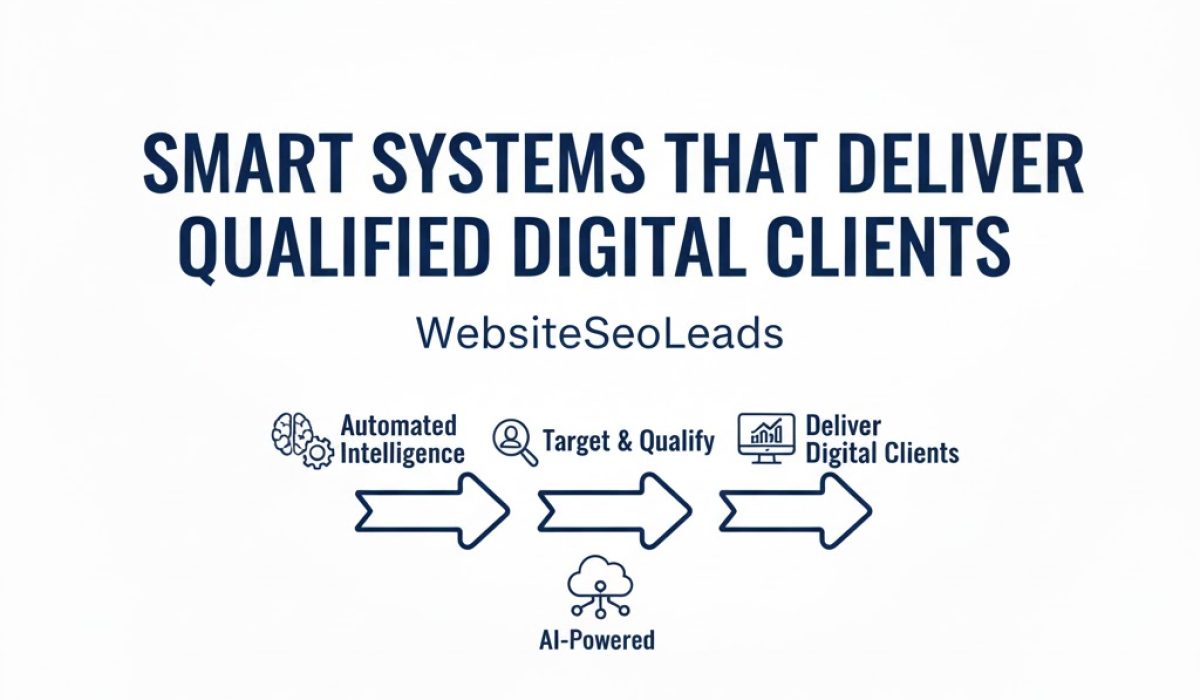
For digital agencies operating in competitive markets, the biggest challenge is no longer service delivery. It is consistently attracting qualified digital clients who are ready to buy. Random inquiries, low-budget prospects, and time-consuming follow-ups drain resources and slow growth. This is why high-performing agencies are shifting away from manual tactics and building smart systems designed to attract, filter, and convert the right clients at scale.
Smart client acquisition systems replace guesswork with structure. They are built to work continuously, using data, automation, and well-defined processes to ensure agencies focus their energy on prospects that match their ideal client profile.
Why Traditional Client Acquisition No Longer Works
Cold outreach, manual networking, and unstructured referrals once played a major role in agency growth. While these methods can still bring occasional wins, they lack predictability. Agencies relying on them often face inconsistent pipelines, long sales cycles, and burnout.
Modern buyers behave differently. They research online, compare options, and look for proven solutions before initiating contact. If an agency does not have systems in place to capture and nurture this demand, those opportunities are lost to competitors with stronger digital infrastructure.
What Makes a System “Smart”
A smart system is not just a collection of tools. It is an integrated framework where each component supports the next. From the moment a potential client shows interest to the point they sign a contract, the system guides the journey efficiently.
Key characteristics of smart systems include automation, real-time data tracking, lead qualification rules, and seamless integration between marketing and sales tools. These systems reduce manual intervention while increasing accuracy and conversion rates.
Attracting Qualified Digital Clients
The first goal of any smart system is attracting the right audience. This begins with clarity around the ideal client. Agencies that define their niche, service focus, budget range, and decision-maker profile attract higher-quality leads.
Targeted traffic sources such as SEO, paid search, and niche platforms bring prospects who already have intent. When combined with clear messaging and relevant offers, these channels become consistent sources of qualified inquiries rather than random traffic.
Lead Capture That Filters, Not Just Collects
Many agencies collect leads without filtering them. This leads to wasted time on prospects who are not a good fit. Smart systems use structured forms, qualification questions, and conditional logic to screen leads early.
This approach ensures that only prospects with real intent and sufficient budget move forward. It also improves the experience for both the agency and the prospect by setting expectations from the start.
Automation That Increases Speed and Consistency
Response time plays a critical role in conversion. Smart systems automate immediate follow-ups through email or messaging, ensuring no lead is ignored. Automated workflows maintain consistent communication while sales teams focus on high-value conversations.
Automation also supports long-term nurturing. Not every qualified prospect is ready to buy immediately. Smart systems keep them engaged through educational content, case studies, and reminders until the timing is right.
CRM as the Backbone of Client Acquisition
A CRM connects every part of the system. It stores lead information, tracks interactions, and provides visibility into the sales pipeline. Without a CRM, agencies struggle to maintain organization and accountability.
Advanced CRM systems allow segmentation, lead scoring, and performance tracking. This helps agencies understand which channels and messages produce the best results, enabling continuous optimization.
Delivering Qualified Leads at Scale
As agencies grow, scaling manually becomes impossible. Smart systems are designed to scale without increasing workload. By automating repetitive tasks and standardizing processes, agencies can handle higher lead volumes without sacrificing quality.
Platforms like WebsiteSeoLeads support this approach by helping agencies connect lead acquisition with structured follow-up and management processes, reducing friction between marketing and sales.
Aligning Marketing and Sales Efforts
One of the biggest benefits of smart systems is alignment. Marketing efforts generate leads that meet predefined criteria, while sales teams receive complete context about each prospect. This reduces misunderstandings and improves close rates.
When both teams work within the same system, feedback loops form naturally. Marketing adjusts targeting based on sales outcomes, and sales refines messaging based on prospect behavior.
Data-Driven Decision Making
Smart systems rely on data, not assumptions. Agencies track metrics such as lead source performance, conversion rates, follow-up speed, and deal value. This data highlights what is working and what needs improvement.
Over time, agencies refine their systems based on real performance. Small optimizations compound, leading to lower acquisition costs and higher client lifetime value.
Reducing Dependency on Founders
Many agencies struggle to scale because founders are deeply involved in sales. Smart systems reduce this dependency by creating repeatable processes that teams can follow.
With automation, clear workflows, and documented qualification criteria, agencies can train sales teams quickly and maintain consistency. This makes the business more resilient and scalable.
Long-Term Benefits of Smart Client Systems
Agencies using smart systems experience more predictable revenue, shorter sales cycles, and higher-quality client relationships. They spend less time chasing leads and more time delivering results.
Additionally, these systems improve brand perception. Prospects experience timely communication, clear messaging, and professional onboarding, which builds trust before the first call even happens.
Solutions like WebsiteSeoLeads demonstrate how agencies can move beyond fragmented tactics and adopt structured systems that deliver qualified digital clients consistently.
Preparing for the Future of Agency Growth
As digital competition intensifies, agencies without systems will find it harder to survive. Smart systems are becoming the standard, not an advantage.
Agencies that invest early in automation, data, and integrated workflows position themselves for sustainable growth. Instead of reacting to market changes, they operate with clarity and control.
Final Thoughts
Smart systems that deliver qualified digital clients are not built overnight. They evolve through strategic planning, testing, and optimization. However, once established, they become powerful growth engines.
For agencies serious about scaling, the focus should shift from chasing every opportunity to building systems that attract the right ones. In today’s market, structure beats hustle, and smart systems define the agencies that lead.